

World Bank to provide $465m for education, power projects
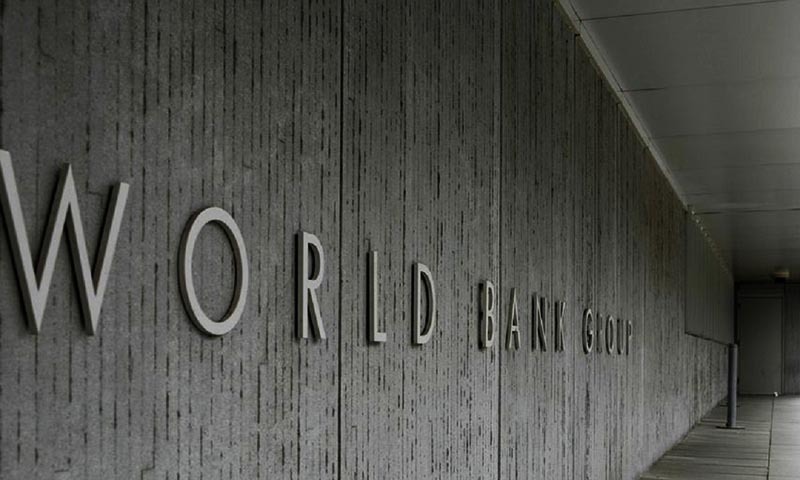

ISLAMABAD: The World Bank has announced approval of two loans amounting $465 million to support higher education in Pakistan and expand sustainable electricity trade between Central Asia and South Asia.
The approval of $400m ‘Higher Education Development in Pakistan’ project will strengthen tertiary education to produce skilled, innovative and enterprising graduates. It will strengthen partnerships with industry for strategic research and develop data-driven governance of tertiary education.
The ‘Central Asia-South Asia Electricity Transmission and Trade’ project (CASA-1000) will enable sustainable electricity trade between Afghanistan, Kyrgyz Republic, Pakistan and Tajikistan. The project will use $65 million in additional financing to complete Pakistan’s infrastructure part of the CASA-1000 project.
“The two projects support Pakistan’s long-term vision for building high quality talent and promote the creation of a regional energy market to boost economic prospects for millions of Pakistanis,” said World Bank Country Director for Pakistan Illango Patchamuthu. “Both projects form part of the priority areas identified in ‘Pakistan@100: Shaping the Future’, a flagship initiative, that identifies frontier interventions for Pakistan to become an upper middle-income country by 2047.”
About the higher education project, lead World Bank economist Tazeen Fasih said that “the project will also support the improvement of teaching and learning at the affiliated college level for improved mid-level skills and employability of graduates”. The project supports the Higher Education Commission of Pakistan’s Vision 2025 programme, developing tertiary education as part of the Pakistan government’s aim to become an upper-middle income country, she said.
The World Bank document on the project says some of the challenges facing the research environment in Pakistan are inadequate and irrelevant research activities with few linkages between universities and industry impacting the commercialisation of research.
There is a misalignment between the government’s said agenda of promotion of innovation and entrepreneurship and implementation of this agenda.
Published in Dawn, June 2nd, 2019





























