Iranian lawmaker says his country does not want direct or proxy war with US


 29
29


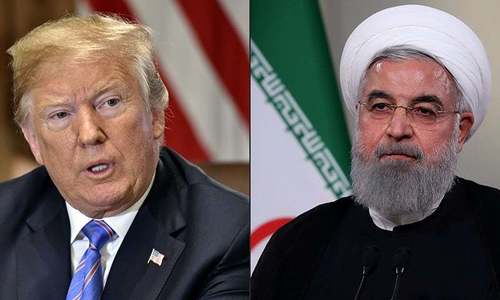
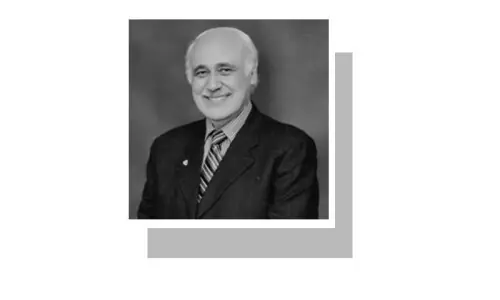
Iran will “under no circumstances” enter a war either directly or indirectly with the United States, a prominent reformist Iranian lawmaker said Wednesday, as both Washington and Tehran try to ease heightened tensions in the region.
The reported comments by Heshmatollah Falahatpisheh come after the White House earlier this month sent an aircraft carrier and B-52 bombers to the region over a still-unexplained threat it perceived from Iran.
Since that development, Iran has announced it will back away from the 2015 nuclear deal with world powers, an accord that President Donald Trump pulled America out of a year ago.
Read: How the confrontational US-Iran relationship poses a challenge for Pakistan and the region
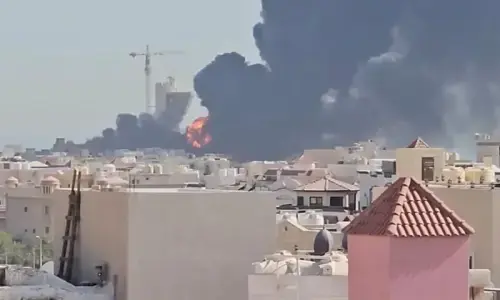
The United Arab Emirates, meanwhile, alleged that four oil tankers were sabotaged off its coast, and Iranian-allied rebels in Yemen have launched drone attacks into Saudi Arabia.
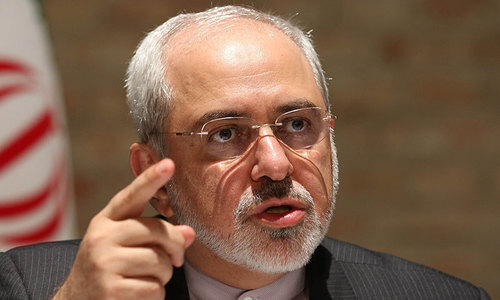
Falahatpisheh's comments, reported by the semi-official ILNA news agency, carry additional heft as he serves as the chairman of the Iranian parliament's national security and foreign policy commission.
“Under no circumstance will we enter a war,” Falahatpisheh said, according to ILNA. “No group can announce that it has entered a proxy war from Iran's side.”
On Monday, Iran announced it had quadrupled its production capacity of low-enriched uranium. Iranian officials made a point to stress that the uranium would be enriched only to the 3.67% limit set under the 2015 nuclear deal with world powers, making it usable for a power plant but far below what's needed for an atomic weapon.
But by increasing production, Iran soon will exceed the stockpile limitations set by the nuclear accord. Tehran has set a July 7 deadline for Europe to set new terms for the deal, or it will enrich closer to weapons-grade levels in a Mideast already on edge.
The US Air Force announced on Wednesday that a B-52 bomber deployed to America's vast Al-Udeid Air Base over the tensions took part in a formation flight with Qatari fighter jets. That come as Qatar has grown closer to Iran after facing a nearly two-year boycott by four Arab nations also allied with the US.
“This flight was conducted to continue building military-to-military relationships” with Qatar, the Air Force said.