0
0

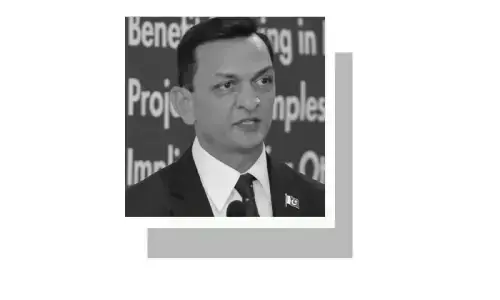
KARACHI: “Climate change is a threat multiplier. There are other more critical threats but climate will multiply their impact,” said Higher Education Commission chairman Dr Tariq Banuri on Friday.
He was speaking at the inauguration session of a two-day conference on climate change — An Existential Challenge for Pakistan — organised by the Pakistan Institute of International Affairs (PIIA) here.
“It is real, it is here and we caused it though we are quite sure that we also know how to fix it, but only if we cooperate,” said Dr Banuri, adding that the window for acting was short and closing fast.
“There will be pain, nevertheless, we have to adapt. We also have to learn to prosper in a world defined by climate change,” he said.
‘Policies are made here to get funding from international donors’
Bringing up the four horsemen and their horses of the Book of Revelation who symbolise the evils to come at the end of the world such as conquest, war, famine and death, he said that over the years things such as the industrial revolution, the manufacturing of pesticides, introduction of vaccines, etc, have pretty much warded off threats of famine, death, etc as more people today die of obesity than hunger and the incidence of premature deaths was also on the way out.
“But if we think that we have pushed back the four [horsemen] of the apocalypse, just know that climate change is bringing them back in,” he said.
He also said that the government here was not serious about doing anything for climate change. “So there is really no such thing as climate policy here. No one knows what is happening as the policies here are not made to solve issues, they are made to see how to get funding from international donors,” he said.
Prof Dr Noman Ahmed, the dean of the faculty of architecture at the NED University, started his presentation on ‘Citizens’ Concerns about Climate Change’ with a little story about him going to Lea Market for his research and casually asking a labourer there about the heatwave and its repercussions on people like him.
“He said that the heatwave was a good thing as it brought about several positive changes like so many people representing organisations he hadn’t even heard of offering cool water bottles to everyone,” he said finishing his story.
About some common concerns of the people about climate change in Pakistan, Dr Ahmed said that they wonder if there was a city plan and a climate change mitigation plan in place or if vulnerable communities, their assets and livelihoods were protected and whether there were institutional arrangements in place to deal with emergencies.
Talking about emergencies, he spoke about the tsunami risk through the Makran coast, tropical storms, cyclones through the Arabian Sea and oil leaks from ships due to poor port management and monitoring practices.
Some of the things proposed by him included initiation of pilot community-based risk reduction mechanisms and monitoring and coordination with all the key stakeholders such as the Pakistan Meteorological Department, National Disaster Management Authority, Provincial Disaster Management Authorities, the National Institute of Oceanography, universities, etc.
Published in Dawn, May 4th, 2019