0
0
PESHAWAR: The government has installed a latest waste management system at Lady Reading Hospital to ensure proper disposal of infectious and general waste and safeguard people against infections, especially hepatitis.
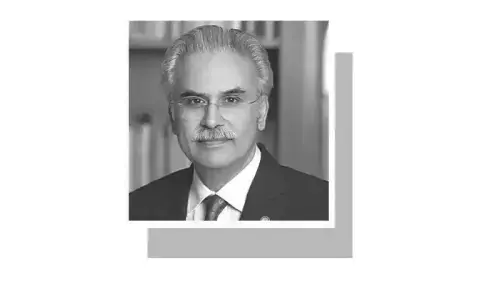
The system purchased from a UK-based manufacturer at a cost of Rs90.50 million will also burn waste generated from the city’s hospitals. “The high-capacity system, recommended by WHO, has been installed for first time in Pakistan. It will burn 400 kilogrammes of waste per hour for which the makers have already trained staff to use it,” Dr Khalid Masud, the director of LRH, told Dawn.
He said that they categorised the types of waste that would be incinerated separately. Sharps, surgical disposable, including syringes, needles, and drip sets ad pharmaceutical waste would be burnt in line with the recommendations of Environmental Protection Agency, he added.
The incinerator can burn 400 kilogrammes of waste per hour
LRH generates about 558kg infectious waste and 40,000kg general waste per day. Till now, the waste was transported to Hayatabad Medical Complex and Cantonment Board Peshawar to incinerate the same on payment. The waste was transported outside in biodegradable shopping bags to prevent spreading infections.
“The system will run 12 to 16 hours every day. It can work with natural gas burners with the option to operate on standby generator as well,” said Dr Khalid. He said that waste would be burnt at a temperature of 1,150 °C during two seconds and the control panel fitted with a functional synoptic view would show the operating situation of the whole incinerator.
He said that the system would be free of visible smoke as well as offensive odours. It has been designed as a packaged unit, having electrical connection pre-wired and fuel pipes in place, making installation easier at site.
The waste will be introduced through an automatic loading system into the incinerator and there will be a separate door for manual removal of ash.
Experts say that lack of proper incineration of hospital waste has been posing serious threats of infectious diseases to the people.
A study conducted by Prime Institute of Public Health in collaboration with EPA has stressed the need for a central incineration system to safeguard people from diseases, like hepatitis and HIV etc.
Dr Khalid said that system at the LRH was big enough to cater to the waste of the city’s hospitals as healthcare waste was a serious threat to anyone getting in contact with it at any level.
The study said that a total of 15 to 20 per cent healthcare waste was infectious while about 80 to 85 per cent was non-infectious and non-segregation of the former from the latter made the waste 100 per cent infectious.
“The system at LRH is the most modern one. It is the safest because we have followed the WHO’s guidelines during the whole process,” said Dr Khalid.
The study has also pointed out that inadequate incineration results in release of cancer causing pollutants such as dioxin and furans into the air.
Another survey by EPA says that 70 per cent private and 60 per cent public hospitals dispose waste through dumping while the rate of using incinerator is four and 17 per cent respectively in Peshawar.
The study says that types of waste are infectious, pathological, sharps, chemical, pharmaceutical, genotoxic, radioactive, non-hazardous and general waste and 30 per cent people risk Hepatitis B, 1.8 per cent Hepatitis C and 0.3 per cent HIV.
Published in Dawn, April 4th, 2019