If Britain's political system fails to break its Brexit logjam, the country is faced with the prospect of crashing out of the European Union on April 12.
Here are the main ways Britain would be affected:
Business planning
Around 80 per cent of British companies judged themselves ready for a "no deal" exit, according to a Bank of England survey published on March 21, up from 50pc in an equivalent January survey.
However, it said many companies noted that the potential impact on tariffs, border frictions, exchange rate movements and recognition of certifications "were outside their control".
In February, the government said just 40,000 of 240,000 businesses that trade only with EU nations had obtained the required customs clearance numbers.
Trade deals
Britain will default to "third country" status with the EU, with trade relations run on World Trade Organization rules.

While the EU's average tariff rate for third countries is low ─ around 1.5pc ─ they are bigger in certain sectors: for cars, the rate is 10pc.
Britain will also lose access to markets covered by EU trade agreements, although it has managed to replicate some of these, including with Switzerland and Israel.
It has also agreed with the United States, Australia and New Zealand to ensure mutual recognition of standards in many areas.
Border delays
The EU says it would immediately begin customs checks, food safety inspections and verification of EU standards at its border with Britain, leading to long delays at busy crossing points.
Britain has moved to open up new routes and increase links from other ports to de-congest Dover.
The government says it does not expect shortages of food, although there could be a reduction in choice of perishable goods, but MPs have expressed concern about "panic buying".
Northern Ireland
Britain says it would not immediately apply customs checks on the border with Ireland, to avoid raising tensions in the once conflict-ridden province of Northern Ireland.
But the EU says it would insist on monitoring goods moving across what will become the bloc's external frontier, although it would try to make these the least intrusive possible.
Britain has suggested it may have to reimpose direct rule over Northern Ireland to manage a "no deal" situation, as the devolved government in Belfast has been suspended since January 2017 in a row between the two power-sharing parties.
EU citizens rights
An estimated 3.5m European citizens are living in Britain, and around 1m Brits are settled elsewhere in the EU.
Britain and many other member states have already offered to protect their rights, although their long-term status would have been more clearly defined in May's deal.
British citizens travelling to the EU will be limited to 90-day stays and would immediately be subject to tighter passport checks.
Medicines
The British government has asked drug companies to stockpile six weeks supply of an estimated 7,000 prescription or pharmacy-only drugs that come from Europe.
Ministers say the transportation of medicines will be prioritised and those with short shelf-lives, such as medical radioisotopes, could be flown in.
Financial services
Some stop-gap agreements have been reached on both sides including a one-year agreement to protect the derivatives market, which is based in London.
Traders buy these complex but vital financial instruments to insure themselves against sudden interest or currency exchange rate swings.
The EU derivatives market was notionally valued last year at 660 trillion euros ($750 trillion).
Planes and trains
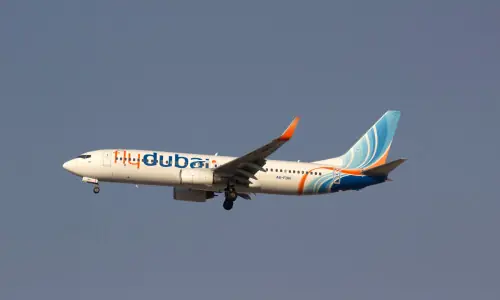
The EU has agreed to allow flights from the UK into the other 27 member states to continue until March 2020, if London reciprocates, but airlines might not be able to make intra-EU connections.
Another time-limited deal will allow trucks to keep carrying goods in and out of Britain, provided London gives reciprocal treatment to EU operators.
The high-speed train link through the 50-kilometre Channel Tunnel running between Britain and France will be kept open for three months, as long as Britain adopts EU rail safety standards.