‘Era of hiding information from people is gone’

KARACHI: Speakers at a programme held to discuss the Sindh Transparency and Right to Information Act on Wednesday said that the people would find alternative ways and may spread fake news if they were not given proper information.
Stressing the need for providing the people with proactive information, they said that the era of hiding or keeping information from the people was gone.
A non-governmental organisation, Shehri-Citizens for a Better Environment (CBE), organised a workshop, ‘Addressing public service delivery through the Right to Information [RTI]’ in collaboration with the office of Friedrich Naumann Foundation (FNF) Pakistan here at a local hotel.
It was discussed in the workshop that involvement in the public service delivery and development of citizen-centric government models has been one of the top priorities of various countries across the globe. Globalisation, localisation and information revolution are empowering citizens to become well informed. The right to information is one such effective tool now accepted all over the world. Pakistan also introduced Article 19-A which says that “every citizen shall have the right of access to information in all matters of public importance subject to regulation and reasonable restrictions imposed by law.”
Colonial mindsets hinder the facilitation of citizens, says head of provincial information commission
The RTI was made a constitutional right in 2010 through Article 19-A, which was inserted through the 18th Amendment.
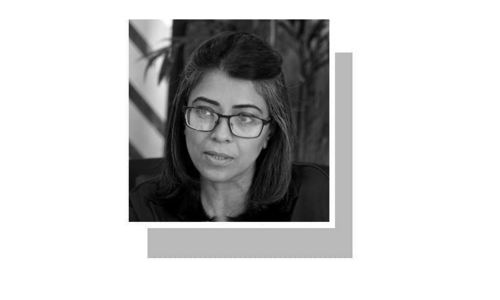
“The right to information is everyone’s right but it is in our culture to clam up and hide things instead of discussing them openly. Opening up can also help us find solutions to our problems as the common man here is constantly seen struggling to find out where to go for what,” said Amber Alibhai, the general secretary of Shehri-CBE.
“According to a Karachi Metropolitan Corporation rule of 1935, it is mandatory to put up boards outside all public offices for the public to know about the work going on there and the services being provided along with the timings but if there is no information being provided about the working hours the government servants too would be coming and going to work when they felt like it. And the public going to their offices for their work will be annoyed for being made to waste their time chasing after these people,” she said.
She added that in the civilised world there was also a thing like the proactive disclosure of information.
“Proactive disclosure of information is where the information is provided to you without your needing to ask for it. It is like turning on the light in a room to make things visible and clear,” she said.
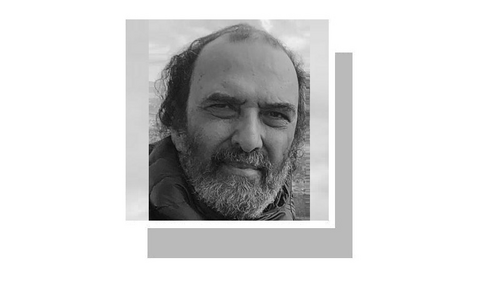
Speaking about ‘Constitutional Rights and Sindh Transparency and Right to Information Act 2016’, Advocate M. Tariq Mansoor said that government servants were bound to provide the public with information. “They are duty-bound,” he said.
Shehri’s Sameer Hamid Dodhy further elaborated in his presentation on the Sindh Transparency and Right to Information Act 2016.
“Every citizen can ask for information such as rules, regulations, notifications, circulars, instructions, budget details like expenditures from any public body which runs on your taxes unless it is something that may cause harm to sovereignty and national integrity that includes national defence, security, public order and international relations or cause damage to the economy as a result of premature disclosure and such things,” he said.
Finally, Sikandar Ali Hullio, the commissioner of the Sindh Information Commission, spoke about the body that had in fact come about on citizens’ demand.
“Bureaucratic and procedure hurdles make routine work suffer. But colonial mindsets here are against the facilitation of citizens,” he said.
“If you don’t give citizens proper information, they will find their own path and maybe also spread fake news or disinformation and you will not be able to stop the flow of such wrong information. Therefore it is better to provide them with proactive information,” he said.
“The era of hiding or keeping information from people is gone. There is no need to hoard information. So do facilitate people in getting the correct information because knowledge makes you empowered,” he concluded.
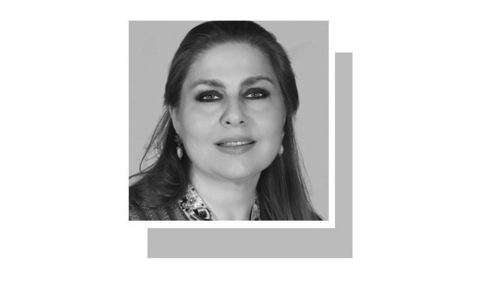
Earlier, Amra Javed of Shehri provided a bit of background about her organisation and on how to promote good citizenship and be involved citizens.
Published in Dawn, March 7th, 2019