Top Iraqi cleric rejects Trump's plan for US troops in Iraq


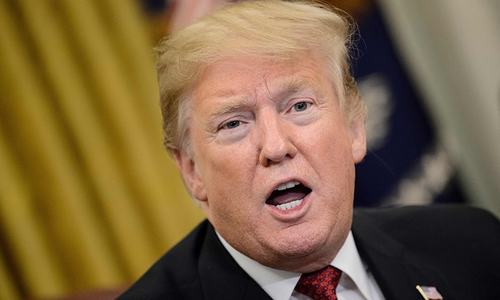
Iraq's most senior Shia cleric on Wednesday joined a chorus of Iraqi politicians and clerics criticising recent statements by President Donald Trump in which he said United States troops should stay in Iraq to keep an eye on neighbouring Iran.
Grand Ayatollah Ali al-Sistani said Iraq aspires to have "good and balanced relations" with all of its neighbours "based on mutual interests and without intervention in internal affairs".
Iraq "rejects being a launching pad for harming any other country," he said during a meeting with United Nations Iraq envoy Jeanine Hennis-Plasschaert at the cleric's base in Najaf.
Both Iraq's president and prime minister have hit back at Trump's statements to US media this week stating that US troops should stay at a base in Iraq so that America can "watch Iran".
"We spent a fortune on building this incredible base," Trump said.
"We might as well keep it. And one of the reasons I want to keep it is because I want to be looking a little bit at Iran because Iran is a real problem."
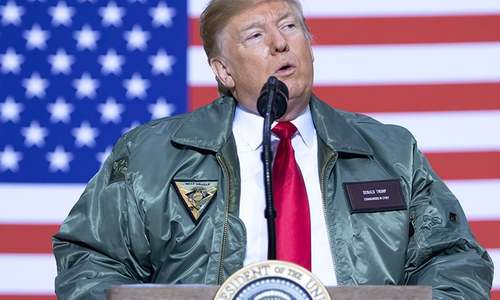
Trump apparently was referring to the Al-Asad air base in western Iraq, where he paid a brief visit to US forces in December. The base hosts American troops but belongs to the Iraqi army.
The comments angered Iraqi politicians and Iranian-backed factions and further added to concerns in Iraq about America's long-term intentions, particularly after it withdraws its troops from Syria.
Prime Minister Adel Abdul-Mahdi, at his weekly news conference late on Tuesday, reminded Trump that there are no US bases in Iraq and said he doesn't accept the idea of Iraq becoming an arena for fighting a neighbouring country. He called on Trump to retract his statements.
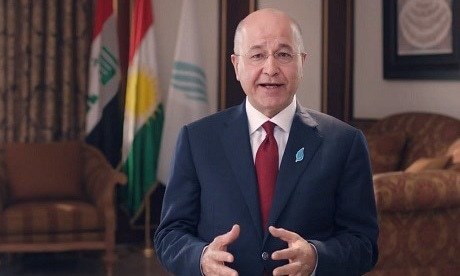
Iraqi President Barham Saleh on Monday said that Trump did not ask for permission to use Iraqi territory to monitor Iran and said the Iraqi constitution forbids the use of Iraq as a base to threaten the interests or security of neighbouring countries.
"Don't overburden Iraq with your own issues," he said.
US forces withdrew from Iraq in 2011, but returned in 2014 at the invitation of the government to help battle the militant Islamic State (IS) group after it seized vast areas in the north and west of the country, including Iraq's second largest city, Mosul. A US-led coalition provided crucial air support as Iraqi forces regrouped and drove IS out in a costly three-year campaign.
Now, after defeating IS militants in their last urban bastions, Iraqi politicians and militia leaders are increasingly speaking out against the continued presence of US forces on Iraqi soil. Some Iraqi lawmakers are working on a draft bill calling for the withdrawal of the more than 5,000 US troops from the country.
Trump first said he wants to keep troops in Iraq as a base to strike at IS in Syria, then said the troops were needed to monitor Iraq comments that are likely to give momentum to opponents of the US presence in Iraq.