Polls open in Bangladesh's parliamentary elections



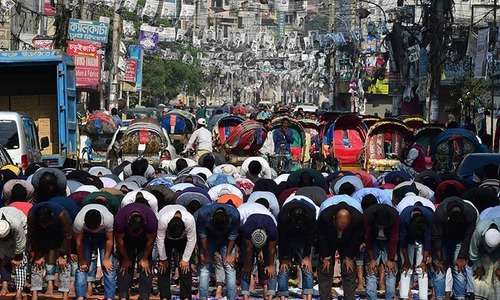
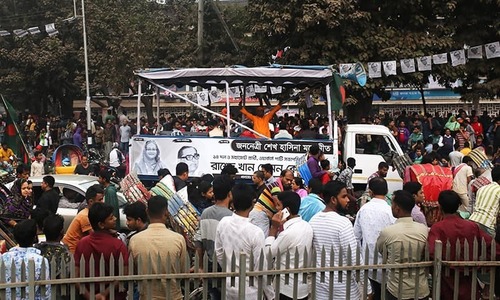
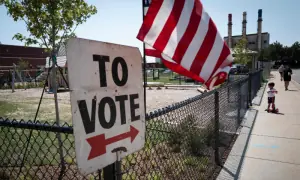
Voting began on Sunday in Bangladesh's contentious parliamentary elections, seen as a referendum on what critics call Prime Minister Sheikh Hasina's increasingly authoritarian rule.
Hasina's main rival is former Prime Minister Khaleda Zia, the leader of the opposition Bangladesh Nationalist Party (BNP), deemed ineligible by a court from running for office because she is in prison for corruption.
Read more: Khaleda Zia’s party to challenge Hasina in election
The two women have been in and out of power and prison for decades.
In Zia's absence, opposition parties have formed a coalition led by Kamal Hossain, an 82-year-old Oxford-educated lawyer and former member of Hasina's Awami League party.
The election campaign has been marred by allegations from the opposition of arrests and jailing of thousands of Hasina opponents. At least a dozen people were killed in campaign-related clashes.
Both sides are hoping to avoid a repeat of 2014, when Zia and the BNP boycotted elections and voter turnout in the South Asian nation of 160 million people was only 22 per cent. More than half of the 300 parliamentary seats were uncontested. The Awami League's landslide victory was met by violence that left at least 22 people dead.
This time, some 106 million people are eligible to vote, including many young, first-time voters.
While rights groups sound the alarms about the erosion of Bangladesh's democracy, Hasina has promoted a different narrative, highlighting an ambitious economic agenda that has propelled Bangladesh past larger neighbours Pakistan and India by some development measures.