Eradication of polio still international health emergency: WHO


 4
4


LONDON: The spread of polio must still be classified as a public health emergency because, while progress has been made towards wiping out the disease, that progress is fragile, the World Health Organisation (WHO) said on Friday.
“We are so close to the elimination of polio, but we have to use all of our international tools to achieve this end,” Helen Rees, chair of the WHO’s international emergency committee, told reporters on a telephone briefing.
“The ongoing situation continues to require that a public health emergency of international concern should be applied.”
All of the 27 cases detected this year have been reported from Pakistan, Afghanistan
Latest WHO figures show there have been 27 cases of wild polio so far in 2018 — all of them in Pakistan and Afghanistan where the contagious viral disease is endemic.
Rees said the WHO was “very concerned” that this number was higher than last year, and urged governments against complacency in the battle to eradicate the paralysing disease.
“Finishing this job remains an absolute emergency,” she said.
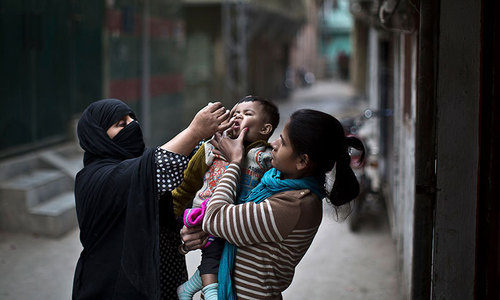
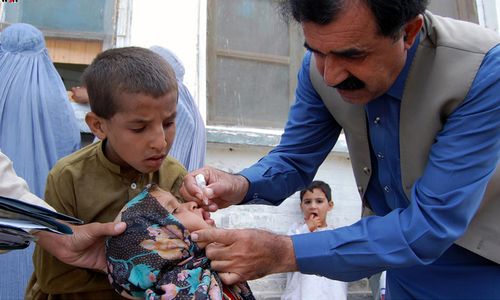
The polio virus, which invades the nervous system and can cause irreversible paralysis within hours, spreads rapidly among children, especially in unsanitary conditions in war-torn regions, refugee camps and areas where health care is limited.
The disease can be prevented with vaccination, but immunisation coverage rates need to be very high and any gaps allow the virus to fight back.
The Global Polio Eradication Initiative, launched in 1988, originally aimed to end all transmission of the disease by 2000.
And while there has been a 99 per cent reduction in cases worldwide since the GPEI launch, fighting the last 1 per cent of polio cases has been far tougher than expected.
Efforts to eradicate the disease in Afghanistan and Pakistan have been undermined by opposition from the Taliban and other Muslim militants, who claim immunisation is a foreign ploy to sterilise Muslim children or a cover for Western spies.
Friday’s statement by polio emergency experts also expressed concern that after a 10-month period of no international spread of wild polio virus between Pakistan and neighbouring Afghanistan, the last three months had seen cross-border spread recur in both directions.
Published in Dawn, December 1st, 2018