Govt shares ‘wealth fund’ plan with IMF mission


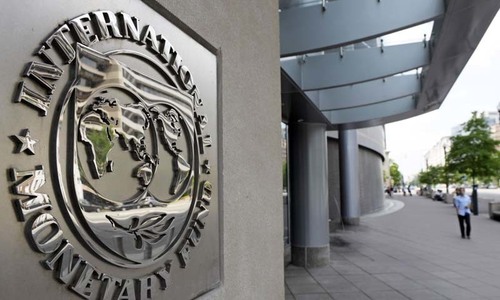
ISLAMABAD: The visiting International Monetary Fund (IMF) team was informed on Friday that the government intended to create a ‘wealth fund’ to turn loss-making public sector enterprises into profit-making entities before their sell-off.
The plan was shared with the IMF delegation by officials of the finance ministry, State Bank and Federal Board of Revenue during a fresh round of technical level talks focusing on privatisation programme of the government, which is striving to receive around $12 billion loan from the international lender.
The technical discussions, which are likely to focus on taxation regime and revenue generations on Saturday, will continue up to the middle of next week while policy level talks will be held in the last days of the week to ascertain Pakistan’s requirement for bridging a funding gap and averting a balance of payments crisis.
The officials briefed the IMF delegation on the recent government decision to offer profit-making public sector enterprises to private investors. The visiting team was informed that the government had decided not to offer Pakistan Steel Mills, Pakistan International Airlines (PIA), Pakistan Railways, Utility Stores Corporation, National Highway Authority and the Civil Aviation Authority (CAA) for sell-off. The government officials observed that all other entities were commercial units except for the CAA which was also a regulatory body in the aviation sector.
The IMF team was informed about the policy statement of federal Finance Minister Asad Umar on various occasions that loss-making public sector enterprises would be made "financially healthy before their privatisation".
The officials told the team that the government would shortly create a ‘wealth fund’ with an aim to make the loss-making public sector enterprises operational and profitable through funding from the fund. The team was informed that after the turnaround, these entities would fetch a higher price compared to their current status.
However, the officials were asked about the source of financing in the said ‘wealth fund’. The IMF delegation were informed that government plans to invest in each entity in phases, and the loss-making public sector entities would be selected based on certain merits step by step.
Officials said the Cabinet Committee on Privatisation had directed the industries ministry to bring up a viable action plan by the middle of December for Steel Mills turnaround. The IMF team was informed that similar plans were being prepared by relevant ministries for other entities under consideration for privatisation.
The government had already held technical talks with the IMF on the power sector of Pakistan while further round of discussion would focus on monetary policy, and total requirements of the country during the three-year financial gap arrangement.
While the finance minister had announced that Pakistan needed around $12 billion to bridge the financing gap during the current fiscal year, a senior official of the ministry said that actual details would be clear only after a complete review.
However, he added, “There are other benefits of entering the IMF programmes as it will enhance the financial standing of the country at international level and the credit rating will also improve.”
The official highlighted that the programme loans, which were provided by international donors and currently suspended, would be revived after Pakistan entered the IMF programme besides other avenues such as floating bonds and papers in international stock markets would be opened.
Published in Dawn, November 10th, 2018