Prehistoric caves offer glimpse into history of Salt Range
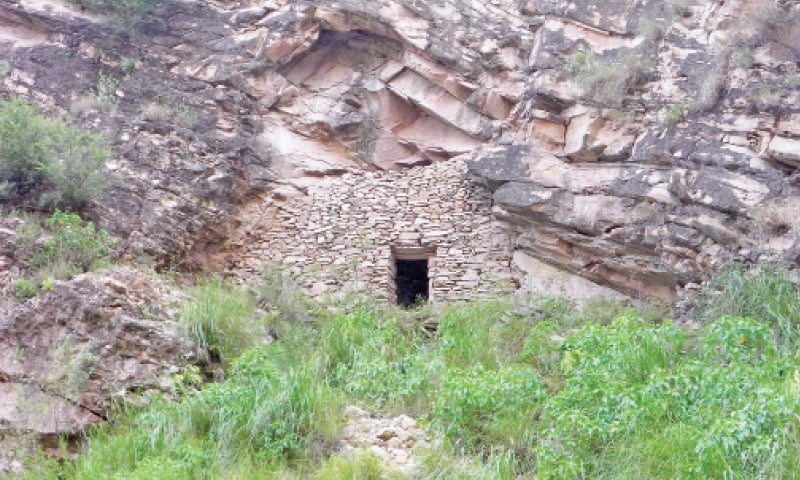

In addition to tourist favourites like the Katas Raj temples, Malot Fort and Nandna Fort, the Salt Range contains many other, lesser-known historic sites, such as the caves that dot many parts of the hilly terrain.
Some of these caves can be seen in front of the Katas Raj Temple Complex, while two others are on the premises of the Malkana Temples near Malot Fort, one is in Kallar Kahar and one can be spotted to the right of Nandna Fort, where Al-Biruni measured the radius of the earth.
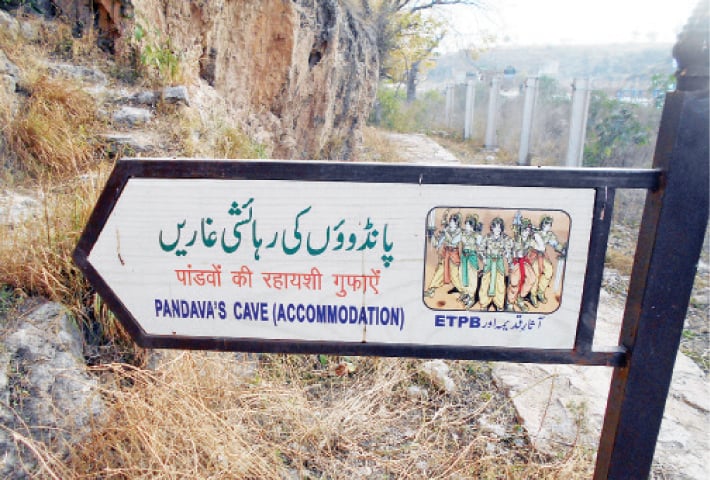
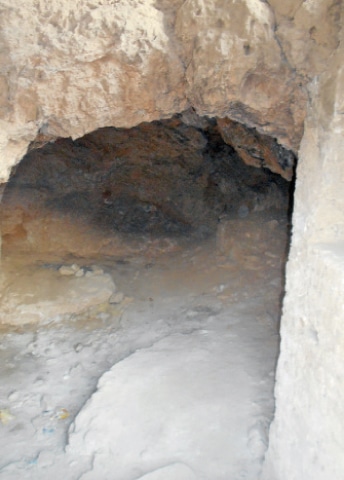
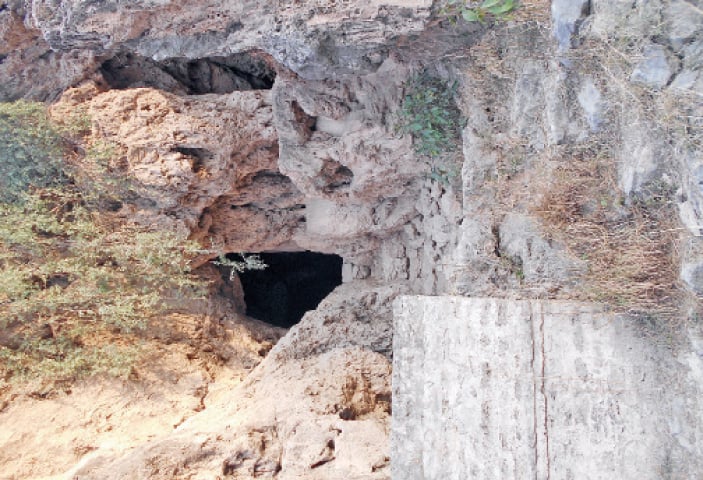
The caves near Katas Raj are large in size, with two that seem to appear as rooms that can be entered easily. In the Mahabharata, the Pandava brothers are said to have lived in these caves while in exile.
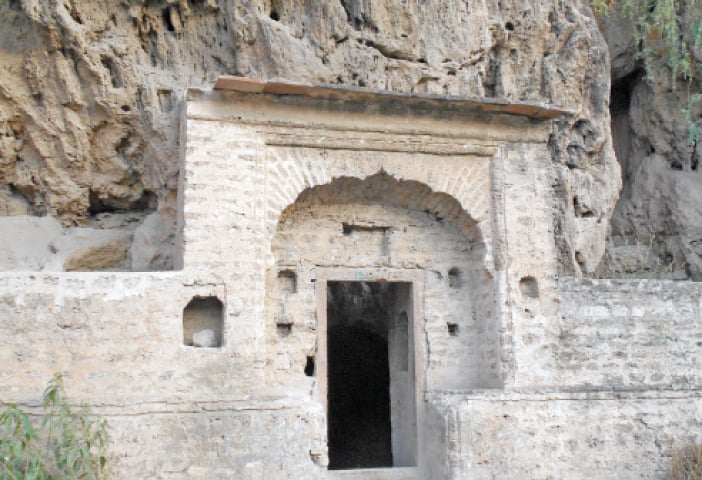
The formation and development of caves is known as speleogenesis, a geological process that takes millions of years to occur. Although these caves come into existence through a natural process, the entrances to the two caves at Katas Raj were developed by humans, as wooden doors have been installed at the entrances.
Renowned travel writer Salman Rashid told Dawn that these caves belong to the pre-historic era. “These caves were not built by proto-humans, but rather, they came into existence through a natural process.
Proto-humans may have lived in the caves,” he said.
“After the arrival of religion, humans used to worship in these caves and later many revered saints worshipped and meditated in these caves,” he added.
These caves, however, are not on the list of protected sites, according to Punjab Archaeology Department Deputy Director Maqsood Malik, who said the archaeology department “only looks after the Katas Raj temples and Malot Fort”.
Evacuee Trust Property Board Chairman Siddiqueul Farooq told Dawn that his department had renovated and preserved the caves. “These caves are very old, and were used for three purposes: primarily for meditation, secondly for residence and thirdly, as hideouts,” he said.
Mr Farooq added that a small wooden bridge was built under his supervision that leads to the caves, making it easier for visitors to access them.
“We are trying our best to preserve these caves, as they attract visitors and are historic sites,” he said.
Mr Rashid also emphasised that the caves must be preserved, and said they should be included in the archaeology department’s protected sites.
“If research is done on these caves, a lot of interesting findings could be traced,” he said, adding that in France, prints of humans dating back to prehistoric times have been discovered.
Published in Dawn, January 14th, 2018