ISLAMABAD: The Pakistan National Hearts Association (Panah) has decided to file an application with the Human Rights Cell (HRC) of the Supreme Court to look into the president’s move to set aside a decision by the Federal Ombudsman that suggested raising cigarette prices to make cigarettes inaccessible to people.
“We cannot afford lawyers’ fees to fight our case in the SC, so we have decided to file an application with the HRC, as the issue is related to the health of our new generation and the development of the country, because tobacco-related diseases put a financial burden on the economy,” Panah General Secretary Sanaullah Ghumman told Dawn.
He said that during a meeting with President Mamnoon Hussain this month, Panah told the president that cigarette prices should be increased not only because it is an international obligation but because higher prices would discourage young people from smoking.
“The president agreed with us, and also said he would seek a clarification from the Ministry of National Health Services (NHS) about why it is not bother to take up the issue in the cabinet, but Secretary to the President Shahid Khan intervened and said the Federal Ombudsman was not the proper platform for the issue and suggested that we contact the SC,” he alleged.
President had set aside Federal Ombudsman’s decision suggesting increase in cigarette prices
“After that, Mr Mamnoon also changed his opinion and suggested that we contact the apex court, and our case was set aside on technical grounds. Now we have no choice but to file an application in the HRC,” he added.
Before the current fiscal year’s budget was announced, the NHS ministry had suggested increasing taxes on cigarettes, with a minimum tax of Rs44 on a pack of 20 cigarettes. However, the 2017-18 budget introduced a third tier for the tax, reducing to Rs16 for a pack of 20 cigarettes.
After the move invited criticism across the country, Panah submitted an application to the office of the Federal Ombudsman alleging that the decision to lower the tax was based on statistics provided by the tobacco industry while the NHS ministry’s recommendations were ignored.
The application also said that Pakistan should increase cigarette prices to make them inaccessible to the youth, according to the World Health Organisation Framework Convention on Tobacco Control (FCTC), an international treaty signed by Pakistan.
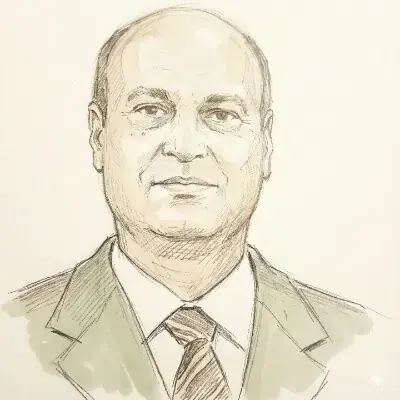
On Sept 28, Federal Ombudsman Syed Tahir Shahbaz in a decision available with Dawn directed the Ministry of Finance and Federal Board of Revenue to increase cigarette prices to make them inaccessible to young people, and directed that the sale of illicit, counterfeit and smuggled cigarettes be stopped.
The FBR filed an appeal, available with Dawn, with the president, arguing that the FCTC does not place any bar on countries with respect to taxation and only recognises that price and tax measures are an effective and important means of reducing tobacco consumption by various segments of the population – in particular young people. In the mean time, the FCTC allows that countries can establish their taxation policies.
The FBR claimed that the increase in prices had allowed illicit and cigarettes on which duty has not been paid to take the market share from legal cigarettes. It said that in 2013-14, Rs88 billion in tax revenue was collected from the tobacco industry, which rose to Rs102bn in 2014-15 and Rs114bn in 2015-16 before falling to Rs83bn in 2016-17.
The decision issued from the President Secretariat, available with Dawn, states that the president was “pleased to accept the instant representation of the FBR-Agency and to set aside the impugned recommendations of the learned Federal Ombudsman as having been passed sans-jurisdiction”.
According to health experts, smoking is the major contributor to lung diseases and 75pc of lung diseases are caused by smoking. Over 6.9 million people have been affected by chronic obstructive pulmonary disease in Pakistan, and it is expected that by 2020, it will be the third leading cause of death from chronic diseases worldwide.
Published in Dawn, December 25th, 2017