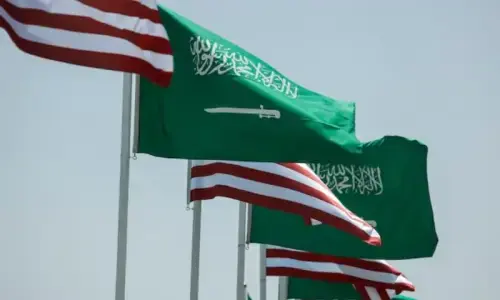
GENEVA: Saudi Arabia said on Wednesday it would not oppose a resolution at the UN-backed Human Rights Council seeking an independent, international investigation of rights violations and crimes in war-torn Yemen, but raised questions about the “timing”.
Yemen’s crisis is shaping up as one of the key issues of debate at the 47-member council’s three-week session that began on Monday. Saudi Arabia and Arab allies have thwarted past efforts at the council to create an international investigation, and they were expected to detail their own proposed resolution on Yemen this week.
Meanwhile, the Netherlands, which has strived in vain to establish an international probe at past council sessions, was renewing its efforts this time with new support from Canada. Those countries laid out their draft resolution on Wednesday seeking the creation of a three-person international commission of inquiry.
“We have no objection [to] the inquiry itself, we just have a discussion about the timing,” Saudi Arabia’s ambassador to Geneva, Abdulaziz al-Wasil, said. “Whether this is the right time to establish an international commission with the difficulties on the ground, and we knew in advance that they will face tremendous obstacles in terms of access.”
Al-Wasil said his country would seek “compromise”, but suggested the inquiry should be conducted by Yemenis. “It’s always easier for them basically to try to understand the dynamics of their country, and also they have connections to go to different regions,” he said.
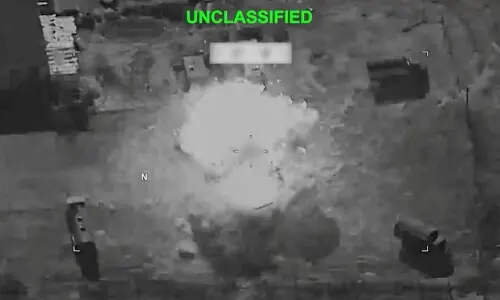
On Tuesday, Human Rights Watch released a report documenting the deaths of 26 children killed in five Saudi-led air strikes since June, saying the strikes may amount to war crimes. “We’re seeing positive momentum toward supporting an independent international investigation,” Kenneth Roth, HRW’s executive director, said after a panel discussion on Yemen at the UN Geneva offices.
“There was a little cautiousness at first: You know, nobody wants to go up against the Saudis for fear of economic retaliation, but gradually there is recognition that the stakes are simply too high for Saudi money to be able to buy off action.” “What everybody is aware of is that the situation is just so much more dire today than it was the last time the Human Rights Council took up the matter,” he added.
Published in Dawn, September 14th, 2017