Economic growth in the Middle East and North Africa is forecast to slow considerably over oil prices as the Saudi economy slides, the International Monetary Fund said on Monday.

After a better than expected performance with five per cent growth in 2016, the economies of countries in the Middle East and North Africa as well as Pakistan and Afghanistan will subside to just 2.6pc growth this year, it said.
Last year's healthy regional economic performance was mainly attributed to Iran's strong growth estimated at above 6.5pc because of higher crude production, the IMF said.
In its World Economic Outlook update, the IMF lowered economic growth of Saudi Arabia, the world's top oil exporter, to just 0.1pc in 2017, down 0.3pc on its April projections.
This will be Saudi Arabia's worst growth since 2009 when its economy contracted by 2.0pc on the slump of oil revenues following the global financial crisis.
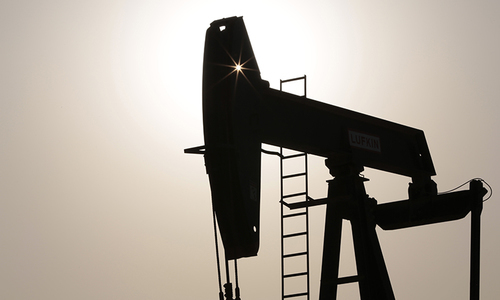
“The recent decline in oil prices, if sustained, could weigh further on the outlook for the region's oil exporters,” the IMF said.
After recovering to over $55 a barrel following a production reduction agreement by producers, oil prices receded on strong inventory levels and a pickup in supply.
The IMF projected that regional growth will rebound to 3.3pc in 2018, however.
Saudi economic growth is also forecast to rebound to 1.1pc next year, down 0.2 percentage points on April projections, it said.
Saudi Arabia's economy, the largest in the region, grew by 4.1pc and 1.7pc in 2015 and last year respectively.
MENA oil exporters have lost hundreds of billions of dollars since the mid-2014 crash in crude prices, transforming huge surpluses into shortfalls.
They have since implemented some economic reforms that have included raising fuel and power prices. Gulf states, which earn more than 70pc of their revenue from energy, have been posting budget deficits since oil prices fell.