Domestic commerce, according to current official data, contributes 32pc towards the GDP and employs 20pc of the labour force.
However, the domestic commerce sector is continuously ignored by the government and multilateral development agencies. Their focus is on promoting international trade.
The development of domestic commerce helps produce more export surplus. Therefore many developing countries have invested heavily in the development of domestic commerce.
The Ministry of Commerce has established a Domestic Trade Wing but a comprehensive policy on the promotion of domestic trade is still awaited. The Ease of Doing Business Index 2017 places Pakistan at 144 out of 190 countries measured across ten different business environment related variables.
The domestic commerce sector is continuously ignored by the government and multilateral development agencies. Their focus is on promoting international trade
Several issues hinder the growth of domestic commerce. Important among them is the strict commercial zoning laws that have resulted in squeezing the space available for commercial activities in large cities.
Commercial areas, being developed by private developers in residential areas, result in congestion and traffic problems. Existing wholesale markets like Jodia Bazar in Karachi and Akbari Mandi in Lahore are becoming too difficult to reach due to the vast spread of population of these cities.
Similarly, the large whole-sale centres in Rawalpindi, Peshawar, Quetta, Faisalabad, Multan, Hyderabad and Sialkot are located in old city areas where access through roads has become difficult due to heavy traffic.
Another issue is the absence of strong regulatory support to domestic commerce which is resulting in growth of informal businesses and off-the-court arrangements.
The poor implementation of intellectual property laws is hurting the development of local brands as pirated brands go unchecked. Similarly, the contract enforcement mechanism, ease of registering property and dealing with insolvency issues involve cumbersome procedures and lengthy legal struggles resulting in higher costs for retail and wholesale businesses.
Generally, domestic trade activities involve the flow of goods and services from one city to another. Existing road networks among large cities are crowded and there is continued neglect of commercial centres in the development of new roads, bridges and railway lines.
The existing G.T road linking major towns is in a bad condition and the alternative motorway route is lengthy and costly for commercial vehicles. Similarly, the existing railway network is out-dated and inadequate routes are forcing traders to shift towards costly alternatives.
To make matters worse there is the frequent intervention of provincial and federal governments in the functioning of markets through price controls, subsidies and taxes. Consumers are left with shortages and higher purchase prices.
The policy of subsidising a particular sector (textile, chemicals, fertilisers etc) and taxing the others contributes towards the growth of informal retail and wholesale trade.
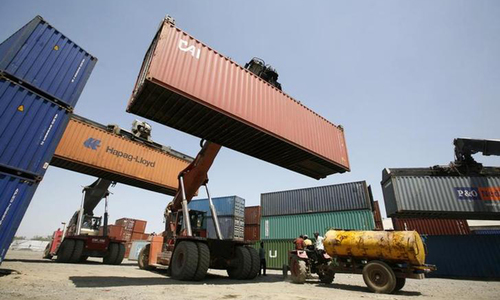
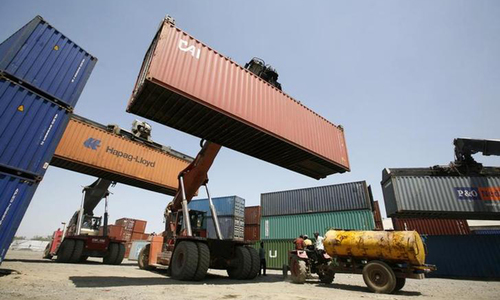
The growth of the domestic commerce sector is dependent on the exports of local goods and imports of foreign products. The network of sea-ports and dry-ports in Pakistan is insufficient to actively meet the needs of exporters and importers.
There is a need to devise a suitable policy for the development of domestic trade. Successful examples of other countries, which can be looked into, include the establishment of a separate ministry for domestic trade, friendly rules for domestic businesses, strengthening trade mark related laws, facilitating the registration of retail and wholesale businesses and the strict implementation of contract laws.
Published in Dawn, The Business and Finance Weekly, May 8th, 2017