Exporters losing out on Iranian rice market

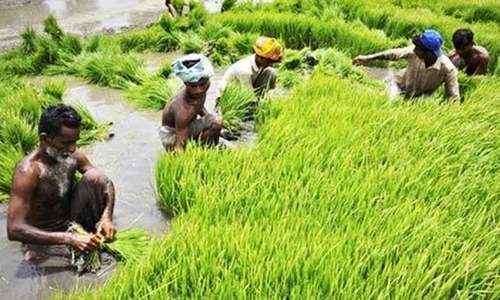
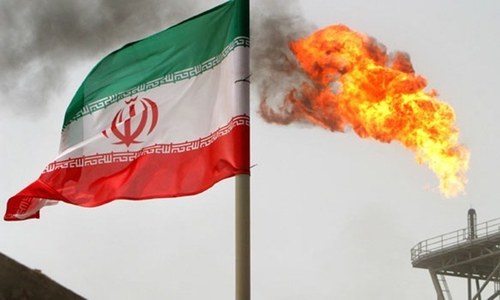
KARACHI: Pakistan is losing the Iranian rice export market of $500 million because commercial banks are reluctant to open letters of credit and issue Form-E even after the lifting of sanctions in January 2016.
Iran was a key importer of Pakistan’s super basmati rice, but the trade came to a virtual halt after the imposition of sanctions on Tehran.
After sanctions and an economic embargo were lifted 14 months back many countries restarted trading with Iran but Pakistan has yet to normalise trade relations with its neighbour. Even during sanctions, there was no food embargo on Iran, and India kept supplying food items including basmati rice to Iran in barter arrangement.
Pakistan, however, ceased trade with Iran, which allowed Indian exporters to capture the Iranian market. Today India exports one million tonnes of Basmati rice worth $1 billion.
Rice Exporters Association of Pakistan (REAP) Chairman Mahmood Moulvi told Dawn that he took up the issue with Finance Minister Ishaq Dar in October who assured him of resolving the problem at the earliest.
Later the matter was taken up with the State Bank of Pakistan (SBP) and the Trade Development Authority of Pakistan (TDAP), Mr Moulvi said.
In a letter on Feb 3, REAP drew the attention of the SBP governor to the issue. The association urged the government to direct the National Bank of Pakistan (NBP) to help restore the country’s share in the Iranian export market if the private banks are reluctant to cooperate. The REAP chairman said there was a time when Pakistan’s basmati rice dominated the Saudi Arabian market. But today, around 80pc of the market has been captured by Indian exporters.
Before the imposition of sanctions, Pakistan exported between 300,000 and 400,000 tonnes of super basmati rice to Iran and earned around $300-$400m per annum. Today we can earn up to $500m, he added.
Published in Dawn, March 19th, 2017