0
0

ISLAMABAD: Civil society activists and residents of the city gathered in front of the National Press Club on the eve of Human Rights Day, celebrated on Dec 10 each year, to raise a voice against human rights violations.
Participants chanted slogans in order to draw the government’s attention towards issues related to religious minorities, forced disappearances, freedom of expression, censorship and other issues.
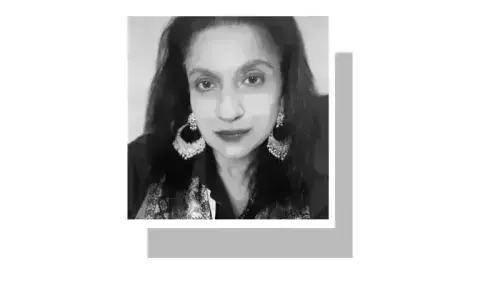
Talking to Dawn, Human Rights Commission of Pakistan (HRCP) council member Nasreen Azhar said a lot of positive steps have been taken during the last decade.
“Significant bills have been passed including the Hindu marriage bill, the anti-rape bill and strict action has been taken against honour killings. The Sindh Assembly has also passed legislation regarding child marriages, forcibly changing someone’s religion and other bills,” she said.
“However, a number of human rights violations have increased due to terrorism. For instance, there has been an increase in forced disappearances. Earlier, forced disappearances were common in Balochistan, but they are also happening in Sindh now,” she added.
Ms Azhar said that there is a moratorium on the death penalty, but executions have started again.
“I believe that the death penalty will increase the trend for violence, because if the state starts killing people, others will too,” she said.
There are more restrictions on non-government organisations, she said, for example they need no-objection certificates in order to operate in various areas. “But religious groups are allowed to work everywhere. Are they more patriotic than the NGOs,” she asked.
Pakistan Minority Forum Chairperson Chaudhry Ashraf Farzind said minorities are discriminated against.
“Minority representatives are not elected to parliament they are selected and only those who can fund political parties are selected, most of whom are unaware of the issues minorities face and spend most of their time in party politics,” he said.
A representative of the Hazara community, Fatima Arif, said the genocide of Hazaras was going on in Balochistan, and that steps should be taken to stop it.
“Over the last few months, people are killed just for being Hazara. A few months ago, four women were travelling in a bus and were killed after they were identified as Hazara. The whole community is now forced to live in just two colonies in Quetta and they are killed if they come out of the colonies,” she said.
“Many Hazaras have left the country because they cannot take the pressure and fear which the community has been facing for the last many years,” she added.
Published in Dawn, December 10th, 2016