6
6

KRISHNAGIRI: It is noon and Dilbar Ali is racing against time.
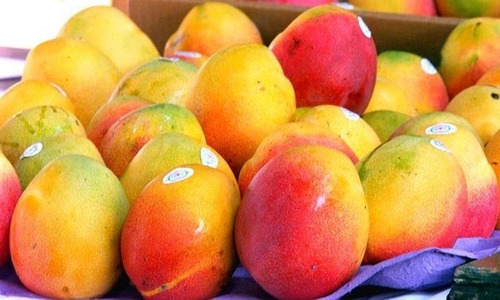
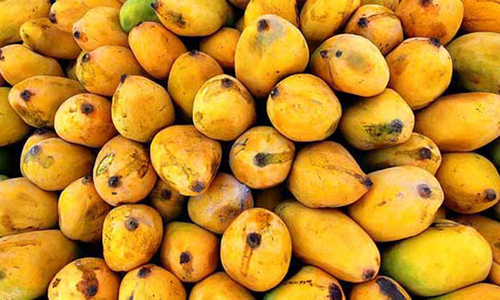
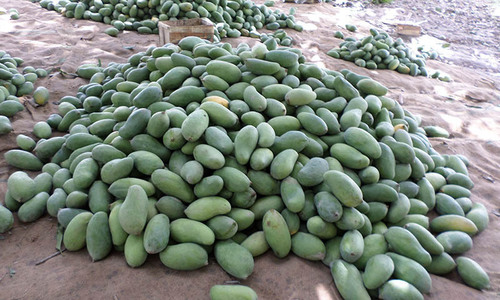
The first truckloads of mangoes from the orchards of Krishnagiri-Dharmapuri region in south India's Tamil Nadu state have arrived. The fruit needs to be unloaded, sorted, graded and packed ─ all before dawn. So lunch will have to wait.
The mangoes need to get to the export houses and food processing factories immediately, to keep up with demand for both the fruit and its pulp, which is used in drinks that fly off supermarket shelves in summer.
"It will be like last night ─ non-stop work, with a breather only tomorrow morning," said Ali, heaving another sack of mangoes onto a weighing scale.
India's mango pulp market caters to some of the world's biggest food and beverage players including PepsiCo, Coca Cola and Unilever. In 2014/2015, it exported almost 155,000 tonnes of pulp worth $126 million with Yemen, the Netherlands, Saudi Arabia and Kuwait among the top destinations.
But workers' rights campaigners say the industry in Tamil Nadu flourishes on the back of overworked and underpaid seasonal, migrant labourers like Ali, who comes from the northeastern state of Assam.
A lack of rain, global competition and fluctuating prices are squeezing profit margins of many growers in the region.
"The sector is very labour intensive," Mathew Joji of the non-profit International Justice Mission told the Thomson Reuters Foundation.
"Besides low wages, to ensure there is no manpower is lost, there are restrictions on their movements, which is a clear violation of the workers' rights and a method of bondage." India is home to more than 18m people living in some form of modern slavery, the greatest number of any country, according to the third Global Slavery Index released on Tuesday by the Australia-based Walk Free Foundation.
In India, modern slavery occurs in industries ranging from construction to textile manufacturing and agriculture to domestic servitude ─ with bonded labour featuring heavily.
Bittersweet harvest
On May 10, revenue officials rescued a family of three, including a child tasked with clearing weeds from the fields, on a mango farm not far from where Ali toils.
In a complaint filed with the police, Parthiban, one of the victims, said he was working to pay off a $300 loan.
"The owner does not pay us any wages. We borrow from the owner for petty amounts whenever we have to buy groceries and other basic needs," he said in the complaint.
"The owner added these amounts to our advance. The owner says now we have to pay $676 principal amount and an equal amount of interest." Up to 40,000 people are hired on a temporary basis during mango picking season from February to June when temperatures hover around 40 degrees Celsius.
Almost all of them are migrants, mainly from the north Uttar Pradesh, Bihar and Assam states. Hired through contractors, labourers can expect to work up to 15 hours a day for a daily rate of $5.
Many take advantage of the offer of an advance on their wages and arrive on mango farms already indebted.
"In the farms and factory, the exploitation is quite systematic," said K Krishnan, head of the National Adivasi Solidarity Council, a network of grassroots organisations.
"Big orchard owners and food processing units are circumventing all norms, including giving minimum wages particularly in the case of women who are paid just $2," he told the Thomson Reuters Foundation.
Mango mania
From a side gate of a factory run by food processing company Capricorn Food Products India Limited, a stream of men make their way to the far end of the premises.
Hidden from view, this area houses the 1,000-plus migrant labourers who unload trucks of fruit and put them on to conveyor belts that enter the factory.
"Hiring local labour is tiresome and most of them don't want to do hard work. Besides, they demand more pay, take more (days) offs and don't do overtime," said a Capricorn Foods official, who requested anonymity.
"So we link up with contractors who bring labourers every season. And we provide them rooms in the factory to stay." No one can leave the premises without prior permission.
"Once a week, we are given a slip that permits us to go out to buy basics. The rest of the time, we either work or wait in our rooms," said Azim Shah, sitting in a tea stall across the factory during his weekly outing.
"If there is a medical emergency or problem, our supervisor deals with it. In most cases, it means wages are cut," he said.
Capricorn Food Products managers did not respond to telephone calls or emails requesting an official comment.
Orchard economics
E Madhavan is general secretary of the Dharmapuri and Krishnagiri Fruit and Vegetable Processors' Federation. He denies there is labour exploitation in the region, saying that wages were fair and paid on time.
M Vijay disagrees. The labourer practically lives on the four acre mango orchard where he is employed. He gently plucks the fruit, constantly wiping off the sticky sap from his palms.
To get paid, he must fill blue crates with 150 mangoes each and then carry them to a trailer parked at one end of the farm. He does not keep count of how many crates he fills.
But Ali, who unloads them at the wholesalers AR Mango Mandi, keeps track. "It's back breaking. I count so that I know how much I am pushing myself," he said.
The owner, AR Ahmad Basha, one of the biggest dealers in the region, sells up to 250,000 tonnes of fruit in two months.
"The boys stay on the premises and work whenever required. I provide them three meals and pay them on time. What more is required?" he said, before turning to haggle over quality and prices with a farmer.