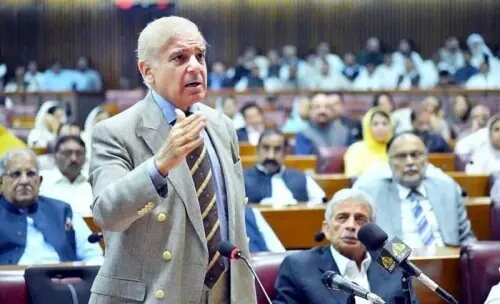
ISLAMABAD: The Pakistan People’s Party (PPP) submitted an adjournment motion in the Senate on Monday to discuss “implications of the brute state force employed last month on villagers in Okara Military Farms”, forcing peasants to give up their demand for ownership rights.
The adjournment motion, moved by Farhatullah Babar, said that peasants had planned to highlight their grievances by observing an International Peasants’ Day on April 17 in an orderly and peaceful manner under the law and the Constitution, but the state, afraid of the move exposing its atrocities, retaliated by using brute force against these villagers.
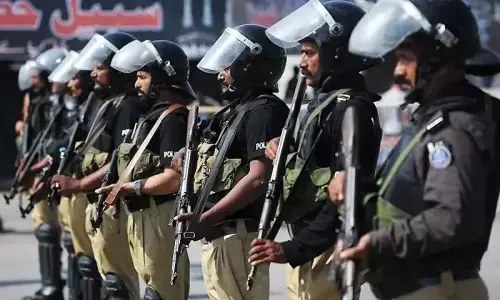
The unarmed villagers were beaten and dozens arrested by state agencies by misusing legal instruments meant exclusively for fighting terrorism, including anti-terror laws and provisions of the National Action Plan (NAP), the motion said.
“The deafening silence and failure of relevant institutions to protect rights of peasants against the mighty has lent a great urgency for the house of the federation to take notice of the situation,” he said.
The motion expressed apprehensions that villagers might also be tried in military courts.
“After all if the ATA and NAP as anti-terror instruments can be employed against villagers what is there to stop the use of the third instrument namely the military courts against them,” the motion added.
An unprecedented situation was in the making with grave implications for the state and society, the motion said.
The PPP senator said that there were reports that the General Secretary of Anjuman Mazareen Punjab (AMP), who was arrested during the protest, had now been shifted from a Sahiwal jail to a military cantonment.
The incident has brought into focus larger issues such as land and the military and the frightening disability of the state to distinguish between protesting farmers and terrorist enemies, thereby gravely undermining the fight against terror itself.
“At the root of the problem lies the persistent refusal of the state to give farmers their rights because of its (the state’s) unquenchable thirst for land,” the motion said.
Mr Babar said that during former president Gen Musharraf’s rule atrocities against peasants had attracted a widespread criticism.
He said that Human Rights Watch had also criticised the torture and arrest of farmers in these words: “Pakistan’s military and paramilitary forces are brutalising their own people in Punjab instead of protecting them.”
The HRW report also said: “It’s a dangerous moment in Pakistan when the military turns on its own core constituency.”
Mr Babar said that the matter needed to be discussed and debated to examine the possibility of a peaceful settlement of the issue to save state institutions from adverse international attention and to protect legitimate rights of the dispossessed and disempowered peasants.
Published in Dawn, May 10th, 2016