3
3

ISLAMABAD: The Pakistan Meteorological Department has said that uncertainties in weather pattern will persist till mid-June and warned of probable heatwaves over the plains and in coastal areas.
In its ‘Seasonal Outlook for Spring and Early Summer 2016’, the Met department says that the prevailing oceanic, atmospheric and surface climatic conditions suggest that uncertainties in Pakistan’s weather pattern will persist until early summer when the El Nino reaches its neutral phase in May-June.
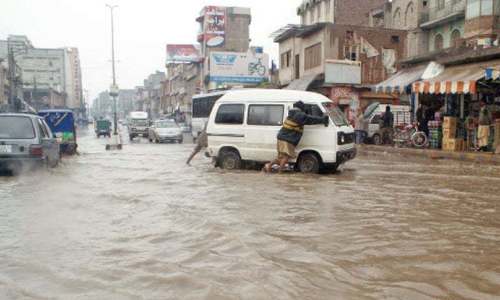
March and April are expected to be wetter than normal. Frequent spells of rainfall and isolated hailstorms associated with windstorms may hamper the harvesting and threshing of wheat and sowing of cotton.
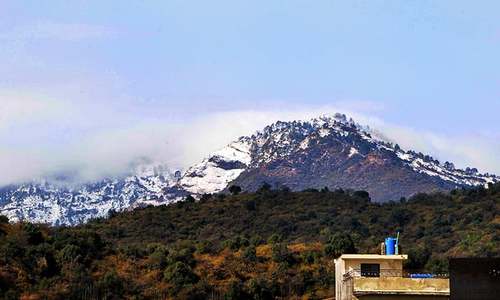
Heatwave-like conditions in Gilgit-Baltistan and Chitral may accelerate glacier melting and trigger Glacier Lake Outburst Flooding (GLOF) events in summer.
May and the first half of June are likely to remain drier and hotter than normal. This would increase the probability of heatwaves over the plains and the coastal belt of the country. El Nino is declining and global climate models predict it to run in the neutral phase during the monsoon season.
Meanwhile, the United Nations Food and Agriculture Organisation (FAO) has started promoting the use of drones to predict damage to crops and quickly assess the damage in case of a natural disaster.
FAO is working with member countries in the Asia-Pacific region to improve systems of data collection and analysis, and says that deployment of drones can support governments’ response-planning activities and the preparation of early warning systems and farm-level advisories. These improved systems can help farmers and fisher-folk make better decisions to protect their livelihoods.
The Asia-Pacific region continues to experience the negative impacts of climate change, which in recent years have manifested in the form of intense typhoons, flooding and droughts. Thus, it has become increasingly important to improve capacities of data generation in a more accurate and timely fashion.
Experts say that with the use of a drone, a team of technical specialists can assess up to 600 hectares in one day. In addition to assessments, data generated from drone flights will also be useful in the design of agricultural infrastructure support projects as well as environmental monitoring.
The Philippines, which is one of the most disaster-prone countries in the world, has become the first country in the region where drones have been launched officially to mark a joint undertaking by the FAO and the country’s department of agriculture.
Published in Dawn, March 25th, 2016