VAIDI (India): Over a dozen debt-laden farmers have committed suicide in recent weeks in India, and discontent in many rural areas against government policies is turning into anger against Prime Minister Narendra Modi less than a year after he swept into office.
Unseasonal storms have badly damaged the winter crop in large parts of the fertile northern plains, most likely contributing to the suicides, and villagers have blamed Mr Modi for not stepping in to help the distressed farmers or ensuring that crop prices remained stable.
The farmer suicides in India’s most politically sensitive region are the latest in several setbacks for Mr Modi’s Hindu nationalist Bharatiya Janata Party (BJP), which is hoping to consolidate power by winning local elections in large, predominantly rural states over the next two years.
The government has delayed a comprehensive health plan as it shifts focus from subsidies to investment, while religious tensions have made minorities uneasy. Nevertheless, Mr Modi has made progress with economic reform in his first year — although not as rapidly as some investors would like — and has reined in inflation.
In a village in India’s most populous state, Uttar Pradesh, Dharmendra Singh mourned his brother Babu Singh, who committed suicide after rain destroyed wheat growing on the five-acre farm he leased from a landlord.
Babu Singh, who had run up debts amounting to $13,000, soaked himself in kerosene and set himself on fire on March 19. He succumbed to burn injuries six days later.
“My brother was banking on the crop so the loss came as the last straw,” Dharmendra Singh said in his village, Vaidi, 185km southeast of Delhi.
In more than a dozen villages visited by Reuters this week across the state that sends the most lawmakers to parliament, farmers said there was a “crisis” in the countryside, where 70 per cent of India’s 1.2 billion people live.
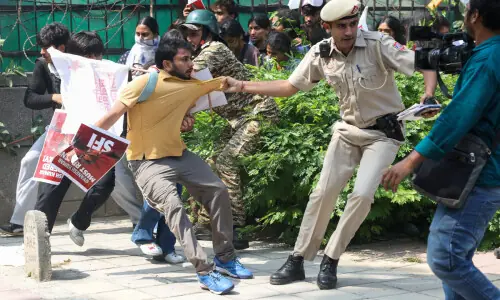
Angered by low ‘farmgate’ prices and the lack of state compensation for crop damage, some villagers said they have ostracised local members of Mr Modi’s BJP and barred them from attending weddings.
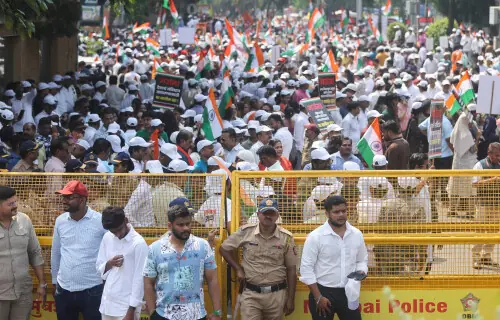
Parties crushed by the BJP in last year’s general election have coupled the discontent with street protests against a land acquisition bill that will make it easier for businesses to buy farmland, a potent issue in the countryside.
For the BJP, the next major election will be in November in the large, mostly rural state of Bihar, and a poor performance will be a huge setback.
With global food prices low, an anti-inflation policy that has hit rural incomes and the shift from subsidy to investment spending, debt-laden farmers were already suffering when rain devastated standing winter crops across north India.
Over 10 million hectares of crops were damaged, but the government says there is no clear link to the suicides.
“Only the state governments can figure out cases of farmers’ suicides,” said a senior federal farm ministry official. “We’ll work closely with the affected states if they ask for any specific help.”
Published in Dawn, March 30th, 2015
On a mobile phone? Get the Dawn Mobile App: Apple Store | Google Play