1
1
ISLAMABAD: As the process of holding local government elections for 43 cantonment boards moves ahead, the ECP announced on Monday appointment of 50 returning officers (ROs) and 100 assistant returning officers.
According to the schedule announced by the Election Commission of Pakistan, local government polls in areas falling in the jurisdiction of 43 board will be held after a gap of 26 years on the same day on April 25.
Also read: SC issues final schedule of local bodies elections
The last LG polls in these areas were held in 1998 when the number of the boards in the country was less than 35. The boards were suspended during Gen Pervez Musharraf’s regime which temporarily formed three-member boards in cantonments to run their affairs.
A sitting station commander (serving brigadier) was the head of the board and another army officer (assistant adjutant and quartermaster general) and a civilian were its members.
President Mamnoon Hussain promulgated an ordinance on March 6, which empowered the ECP to conduct elections of civilian members of the boards in place of military authorities. According to the ordinance, executive officers in all cantonments will perform the duty of ROs.
Polls in 43 board areas will be held after a gap of 26 years on April 25
However, the ordinance did not change the basic composition of the boards in which military officers enjoy veto power or majority against elected civilian members.
The ordinance added 18 amendments to the Cantonment Ordinance-2002, which was introduced by Gen Musharraf but could not be implemented. According to the Cantonment Ordinance-2002, the president of the board (usually a brigadier, who is also station commander of the cantonment area) is the head of the board. He enjoys powers to reject any decision of the board. The number of civilian elected members is equal to the number of nominated members (serving army officers). However, since the board’s president is an army officer, the uniformed members get majority and thus can make any decision they want.
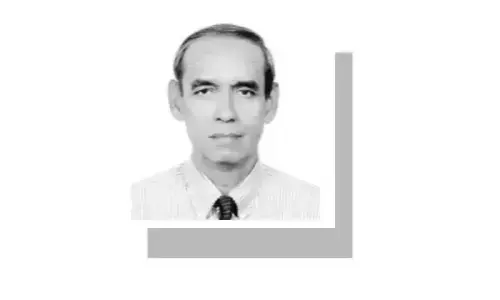
“Unfortunately the number of wards in cantonment areas have not been increased in the new ordinance despite mushroom growth of households and expansion of residential areas over the past 26 years,” a former vice president of the Rawalpindi Cantonment Board (RCB), Sheikh Inayat, told Dawn.
The number of wards in the RCB, which was 10 in 1989, has not been changed, he said and added that it would be difficult for complainants living in far-flung areas to reach the councillor concerned.
“The LG system in board areas will remain ineffective unless more wards or union councils are created in them,” he said.
The ordinance would remain valid for four months, he said and asked what would be the fate of LG system after the term of the ordinance ended.
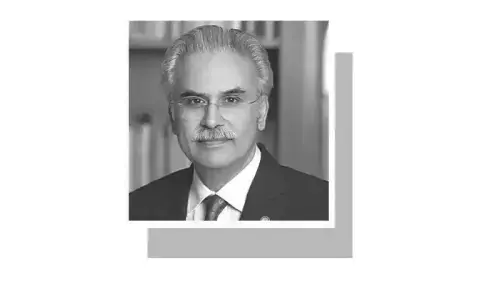
Mr Inayat said a special 12-member cabinet committee headed by former law minister Zahid Hamid had prepared a draft bill on amendments to the law on cantonment boards but it had not been tabled in parliament so far.
Published in Dawn March 17th , 2015
On a mobile phone? Get the Dawn Mobile App: Apple Store | Google Play