0
0
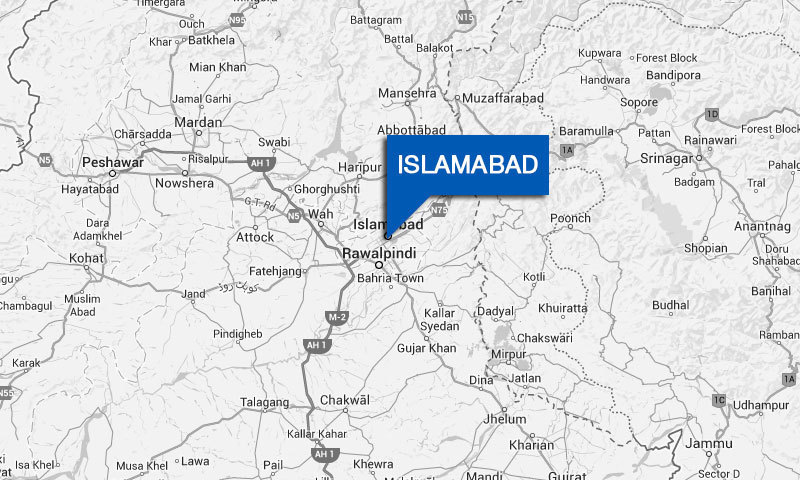

ISLAMABAD: The Islamabad police on Monday decided to divide the city into 87 beats and form citizen committees in each of them to keep an eye on suspected people, especially militants.
The decision was taken at a meeting held at the Police Lines Headquarters to discuss a standard operating procedure (SOP) for the proposed Security and Surveillance Committees of Citizens in Neighbourhoods (SSCN). Inspector General of Police (IGP) Tahir Alam Khan, Senior Superintendent (SSP) Asmatullah Junejo and other officers attended the meeting.
There were intelligence alerts that militants may strike in the city in the wake of the government’s decision to remove the moratorium on executions and hang those convicted of terror activities. It may be noted that 76 buildings and places in the city have already been identified as soft targets for terrorists along with 1,137 private and government schools, colleges and 22 universities.
The IGP told the media recently that the police alone cannot combat terrorists and needed the support from other security agencies.
Neighbourhood security and surveillance committees to keep an eye on suspected people and report to police
Though besides the police, Rangers and the Frontier Constabulary (FC) personnel are also engaged in providing security to these places, it is still difficult for the law enforcement agencies to keep an eye on every part of the city, a police officer told Dawn on the condition of anonymity. Therefore, he added, the citizens’ cooperation was required to counter the menace of terrorism.
He said under the prevailing situation, the establishment of the SSCN was necessary as people can help the police keep an eye on suspects in their streets, localities and mohallas. In this regard, announcements were also being made from worship places asking the residents to join the committees.
He admitted that in the past similar committees were also formed to assist the police combat crime but majority of the volunteer members joined the committees for vested interests. “Criminals, bootleggers, narcotics peddlers and those having personal disputes with each other got themselves inducted into the committees in the past,” he added.
But for the new SSCN, the volunteers would be selected after a proper verification, so that no one involved in any illegal activity can become a part of the committee.
He said the youth would be preferred as members of the committees. There would be no limit on the number of the SSCN members.
Each committee would work under the supervision of a police assistant sub-inspector (ASI) and collect details about each and every household in the locality and their visitors. The committees would hold meetings on a daily basis and share information with the police about their respective localities.
The volunteers would be issued police identity cards and would be authorised to collect details about anyone living in the locality or their visitors.
Published in Dawn, December 30th, 2014