NAYPYIDAW: United States called Thursday for Myanmar to allow stateless Rohingya Muslims to become citizens, after President Barack Obama said he was “deeply concerned” about the marginalised group.
Obama, who is in Myanmar’s capital to attend the East Asia Summit, would push to ensure the “fundamental universal rights” of all those in the nation, a White House official said.
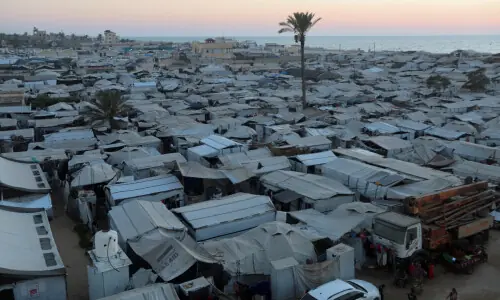
The situation in Rakhine state, where 140,000 people remain confined in squalid displacement camps after violence erupted between Buddhists and Muslims in 2012, “presents a challenge to the reform efforts” across the country, said deputy national security advisor Ben Rhodes.
Also read: Ban’s concern over Rohingya plight in Myanmar
A draft of a controversial government-backed Rakhine Action Plan would force Rohingya to identify themselves as Bengali — a term seen as disparaging — in order to apply for citizenship. Those who refused would be forced to live in camps.
Many in Myanmar’s government and local Buddhists view Rohingya as illegal immigrants from neighbouring Bangladesh, while many from the community say they can trace their ancestry in the country back for generations.
Rhodes said Obama would encourage all Myanmar figureheads, including opposition leader Aung San Suu Kyi, to support an alternative plan for the Rohingya that “allows them to become citizens of this country without having to self-identify as something they do not believe they are”.
The plan should also provide more humanitarian access and ensure they are not “settled indefinitely in camps”.
In an interview with The Irrawaddy news website ahead of his arrival in Myanmar, Obama said he was “deeply concerned about the humanitarian situation in Rakhine”, adding the Rohingya and other Muslims “continue to endure discrimination and abuse”.
Some 200 people were killed during two waves of violence in Rakhine in 2012, which saw knife and stick-wielding gangs raze whole villages.
Unrest in Rakhine sparked again in March this year when mobs of Buddhist nationalists ransacked UN and aid group offices in state capital Sittwe, as tensions boiled over amid fears the Rohingya could state their identity in a controversial census.
Hundreds of thousands of Rohingya have now suffered for months with almost no access to healthcare in the state after medical aid group Doctors Without Borders (MSF) was expelled by the government.
Some 100,000 people have taken to boats, many barely sea-worthy, to escape the dire conditions in Rakhine, where both Buddhist and Muslim communities have long suffered Myanmar’s worst poverty levels.
Obama’s use of the term ‘Rohingya’ in the interview is laden with political meaning.
Rakhine authorities on Thursday issued a rebuke to UN Secretary-General Ban Ki-moon for his insistence that the United Nations would use the term as part of its principle to “recognise the rights of minorities” at a press conference in Naypyidaw on Wednesday.—AFP
Published in Dawn, November 14th, 2014