1
1

KARACHI, Dec 5: The proposed joint efforts by Pakistan and Afghanistan to eradicate polio failed to take off in the border areas because of refusal by most volunteers to carry out vaccination there in view of the threat posed by militants.
The hyped programme conceived in the beginning of the year was designed to target key regions which accounted for up to 80 per cent of polio cases in the country.
Officials say Pakistan’s Pakhtuns, who resist polio immunisation campaigns citing religious and other reasons, fall prey to the crippling disease in large numbers. Pakhtuns, hailing from the tribal areas in the northwest or Karachi in the south, pay heavily due to their frequent refusal to get their children vaccinated against polio.
Interestingly, the authorities in Afghanistan have succeeded in their plans and the number of polio cases there is steadily decreasing every year.
Latest figures in Pakistan show that some 172,262 children on average or 0.5pc of the targeted children miss out during every anti-polio campaign because of refusal by parents, mostly Pakhtuns.
The officials say the exacerbating security situation, particularly in the Federally Administered Tribal Areas, has prevented the federal authorities to launch an integrated operation with Afghanistan to fight polio.
Afghanistan and Pakistan share long porous borders with extensive population movement on both sides. Epidemiological data complemented by the genetic analysis of isolated wild polio viruses indicate sharing of the viruses on both sides of the border.
“The two countries constitute one epidemiological block and have to work together to stop transmission of polio,” said an official.
The officials said there was effective collaboration between Pakistan and Afghanistan and both shared surveillance data and testing of sample cases, adding that they had conceived the joint integrated operations and communications, micro-planning for border villages, including proper mapping, and clear assignments of the border regions to the teams on both sides of the border.
They have also planned to launch a cross-monitoring of the border areas and set up permanent vaccination teams at cross-border posts. For these plans to succeed, the officials said, support of the army and law-enforcement agencies for vaccination teams working at the border villages and cross-border posts was to be ensured.
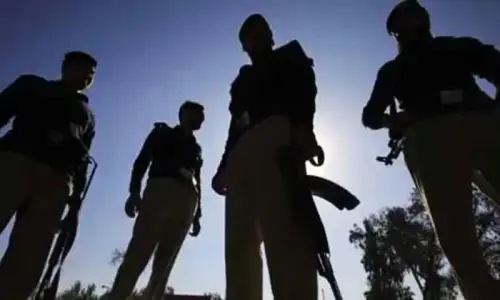
Sources, however, said the increasing militancy in the region and multiple attacks on polio teams and their police guards in Khyber Pakhtunkhwa and Fata kept the authorities in Pakistan from implementing the plans.