‘Mediation for sake of regional stability, not narrow interests’
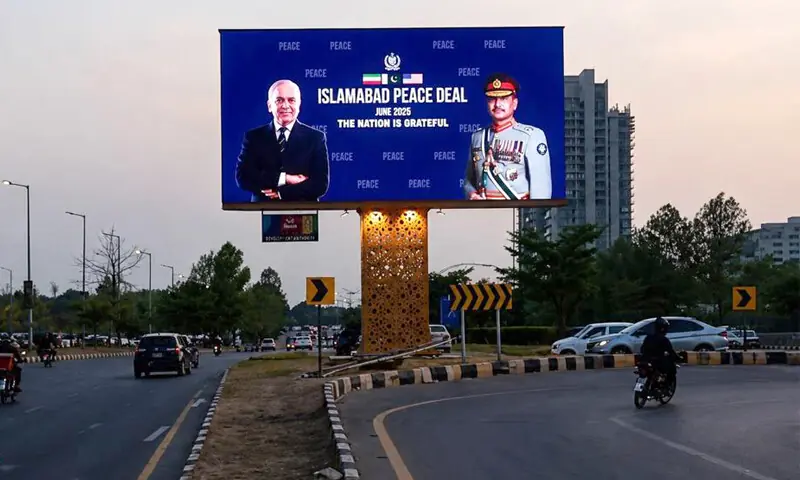


ISLAMABAD: The motives behind recent mediation efforts by Pakistan’s civilian and military leadership were aimed at securing regional stability and peace among Muslim countries, rather than pursing narrower interests, a senior security official said.
The remarks came at a background briefing for selected journalists, held on Tuesday. There, the official addressed a wide range of issues, including Pakistan’s role in securing peace between the US and Iran and issues arising out of India’s tampering with the Indus basin.
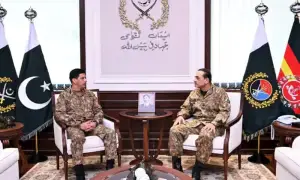
The security official said that through consultation with key stakeholders, Pakistan — and Field Marshal Asim Munir in particular — had helped avert a major war that he said had been planned with serious consequences for the region.
FM Munir’s “sincerity, competence, brilliance and Allah’s blessings” was credited for what the official called a war “won… without actually being fought”, and described this as “the pinnacle of strategy”.
The official said the diplomatic process required “utmost confidentiality, responsibility and caution,” and that Pakistan, as a “responsible mediator,” would not discuss the substance of any talks or next steps in order to avoid speculation.
He also credited Muslim-majority countries, particularly Saudi Arabia, with showing what he called “masterly leadership, restraint and strategic patience” in helping avert a war he said could otherwise have pitted Muslim countries against one another.
On the Indus Waters Treaty, the official said that Pakistan had also pursued what he called a highly successful legal and diplomatic response to Indian violations of the treaty. He added that whatever needs to be done, will be done to protect Pakistan’s interests whenever it needs to be.
He alleged that India, in order to conceal its failures in held Kashmir, was attempting to incite unrest in AJK. The official said twelve reserved seats — an apparent reference to the seats set aside for Kashmiri refugees in the AJK Legislative Assembly — are tied to the Constitution and to Kashmiris’ right to self-determination, and that no group or armed faction could impose its will through force.
Published in Dawn, June 17th, 2026