But the funeral images of Nidhi Barak (20), lynched by her own family for having a relationship with Dharmendra Barak (23) in Haryana state on September 18, showed there were no mourners, not a single one.
While Nidhi was lynched, Dharmendra had his bones broken and was then beheaded and his body thrown in front of his own house in Rohtak district not so far from Delhi.
The youngsters belonged to the same clan or gotra and the parents could not stomach their relationship because it violated accepted norms of behaviour.
The parents were unapologetic with Nidhi’s father saying he would do it again and Dharmendra’s family not even registering a complaint.
An Indian Express staffer who filed a spot report from the village said it was quiet after the double executions. A village elder told the reporter: “Yahi hota hai, ishq karne se maar daalte hai”.
Matter of fact, to the point. That’s how we are.
What kind of thought process would lead you to participate in killing your daughter? What are the shackles that guide your behaviour? Is it ever going to be possible to tackle these attitudes?
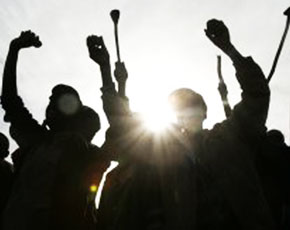
Clan, caste, and religious violence appear endemic in modern India. The intolerance that led to the deaths of Nidhi and Dharmendra finds echo in intolerably high levels of violence elsewhere in the country and the entire South Asian region.
The deaths (and displacement) in the recent communal riots in Muzaffarnagar in Uttar Pradesh are another sign that violence is of many hues, with vested interests playing up fault-lines.
In Pakistan, the Shias, the Baloch and all those who speak against entrenched militants in society are targets.
Steady reports of honour killings from Pakistan would show that notions of izzat and honour may differ in content but the implications are similar for the victims.
Disturbing reports of elements in the Pakistani establishment tasking militants to assassinate the celebrated human rights activist Asma Jehangir show that the State and non-State actors are one in trying to rein in those who defy them.
In Sri Lanka, the fault-lines between Sinhala and Tamil and now Sinhala and Muslim will be key determinants about how a post-war society copes with reconciliation and reconstruction.
Journalists and intellectuals are a special target in Sri Lanka. Mandana Ismail Abeywickrema, associate editor of the Sunday Leader newspaper, is the latest journalist to have fled the island to safer pastures.
In Bangladesh, the Awami League is locked in a battle with the Jamaat-e-Islami and the Bangladesh Nationalist Party over crimes against humanity committed during the 1971 war.
Bangladeshi state and society appear divided over justice for those Jamaat leaders responsible for 1971 genocide. The Jamaat itself has shown no change in approach and is, instead, once again in attack mode.
I’m not trying to tot up the long list of issues, but simply trying to show that violence of all kinds emanating from all kinds of sources is still acceptable in South Asia.
In an atmosphere of such tolerance and support for violent actions, it’s no wonder that young couples like Nidhi and Dharmendra have had to pay for their relationship with death.
It’s no wonder that Mandana Islmail Abeywickrema has had to flee Sri Lanka. Better to flee than face the music from intolerant State forces.
Each day brings reports of new and more dramatic violence. Sometimes, like the December 16 rape incident in Delhi, it leads to introspection and a little action.
Where violence enjoys the sanction of family and society, the police and administration tend not to pursue cases seriously. Arrests will be made, but evidence may not be collected with intent to ensure conviction.
But what to do with the likes of Nidhi’s father Narender Barak, who said this after his daughter’s murder:
I have no regrets. I'll do it again, if I have to.
As I write this piece on Sunday morning, I am reliably informed that some are celebrating it as Daughters Day.