THE apparent apathy of both state and society to Pakistan’s polio problem can in some measure be attributed to the fact that this is an issue that has become calcified.
The back and forth between a state with sluggish capacity and a population that is in general under-educated, continues.
The situation has been worsened by a number of attacks, many of them proving deadly, in recent years on polio workers who in any case face a monumental task in ensuring that each and every child in the country is vaccinated.
Also read: Dozens of schools resist polio vaccination drive
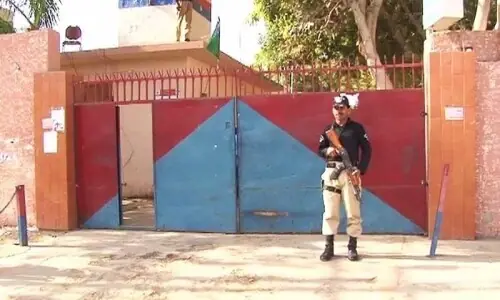
Though the number of families refusing the OPV has decreased after the act was made an offence inviting arrest last year, Karachi’s experience during the ongoing polio drive has highlighted a new dimension: some two dozen schools have refused to let polio teams enter their premises (even though they had earlier been sent letters in this regard from official quarters), relenting only upon the intervention of senior authorities.
Much can be read into the reasons cited by the schools for their unwillingness to cooperate. These managements insisted, first, that their students had already been vaccinated as a matter of course, following routine immunisation schedules; and second, that parents objected to their children being administered the drops in their absence and without their express consent.
Worth pondering on is the possibility that the parents’ reluctance may stem from reasons other than the commonly cited ideological/religious ones, especially the trust deficit that is known to exist between citizens and the state apparatus.
Questions have been raised, after all, about the efficacy of the drops; for example, often it has not been possible to maintain the cold-chain process.
There have been reports of expired or compromised vials. Plugging this trust deficit requires long-term engagement and regular awareness drives.
Meanwhile, the predicament that schools find themselves in is easily solved: administrations could require copies of the children’s routine immunisation records to be provided, which would immediately identify those who have already been administered the polio vaccine.
Published in Dawn, February 20th, 2016