1
1


LE BOURGET: Emissions of carbon dioxide (CO2), the main driver of man-made climate change, are set to decline this year for the first time in a period of global economic growth, said a study on Monday.
The “surprising” findings were published as 195 nations entered the final phase of UN negotiations in Paris for an accord to defeat the threat posed by heat-trapping carbon emissions. Ministers from around the planet launched a five-day scramble in Paris to answer “the call of history” and strike a deal to spare mankind from climate disaster.
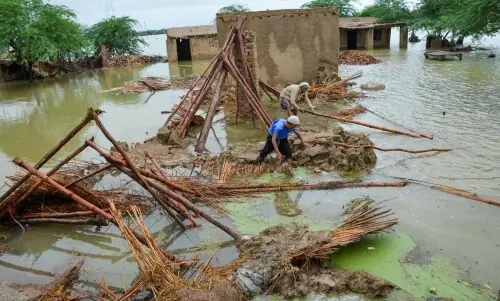
The 195-nation UN talks in Paris have been billed as the last chance to avert the worst consequences of global warming: deadly drought, floods and storms, and rising seas that will obliterate islands and densely populated coastlines.
Environment and foreign ministers, including US Secretary of State John Kerry who landed in Paris on Monday, were urged to rise to the moment and rip out hundreds of bracketed words or sentences in the draft accord that denote disagreement.
“The opportunity to rise to the call of history is not given to everyone or every day,” UN climate chief Christiana Figueres told the conference. “History has chosen you here, now”.Taking effect from 2020, the Paris accord would seek to limit emissions of heat-trapping greenhouse gases, driven especially by coal, oil and gas — the backbone of the world’s energy supply today.
The goal of the negotiations is to limit global warming to less than 2.0 degrees Celsius above pre-Industrial Revolution levels.
But scientists say the planet is already halfway to the 2 C figure, which means that the rise in fossil-fuel emissions must peak soon, and go quickly into reverse, to meet the precious objective.
The talks opened Nov 30 with a record-breaking gathering of 150 world leaders who issued a chorus of warnings about mankind’s fate if planet warming went unchecked.
After a week of talks, negotiators met a Saturday deadline to produce a draft 48-page blueprint that agreed on the need for urgent action but left unresolved many of the deep and complex divisions that condemned previous UN efforts to failure.
Published in Dawn, December 8th, 2015