LONDON: Prime Minister Nawaz Sharif says he still hopes that talks with the Tehreek-i-Taliban Pakistan can succeed, despite the militants having ended a ceasefire.
Speaking to BBC Urdu in an interview in London, he said talks offered the ‘best option’ of ending the country’s long conflict.
Accoprding to a report on BBC website, the prime minister said he believed his talks strategy could “bring peace without any further bloodshed”.
“If we can make this process somehow successful, I think it will be the best option.”
There are reports that some people in Pakistan are worried the talks will allow the militants time to gain strength and regroup. And observers doubt the militants are willing to respect the constitution.
From its bases mainly in the north-west, the TTP is committed to enforcing its austere version of Islamic law or Sharia across Pakistan.
But Mr Sharif said the militants would have to respect the constitution and lay down their arms.
“This of course is the number one condition that has to be met.
“We are making progress on these issues. Let us see if the next round of meetings are successful and we can find a way to make headway in the talks we are holding with each other.”
Few observers, the BBC report says, think it likely the militants will accede to the government’s demands. On the other hand, the powerful army is watching the talks anxiously, reluctant to hand over hard-won gains to the militants.
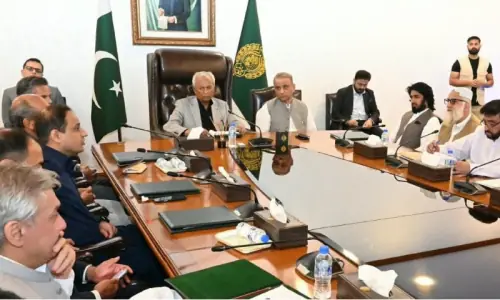
Two rounds of negotiations have already been held. The prime minister said it would take two or three more meetings for the sides to know “how sincere we are with each other and how the talks are progressing”.
He added that security had improved while the talks have been under way.
Violence has fallen from the levels seen last year, but since the brief ceasefire ended in mid-April, there have been more attacks in Pakistani cities. Air strikes on militant strongholds in the country’s tribal regions have resumed.
The Taliban say they remain committed to peace talks, but accuse the government of being silent about their demands – which include the release of prisoners.