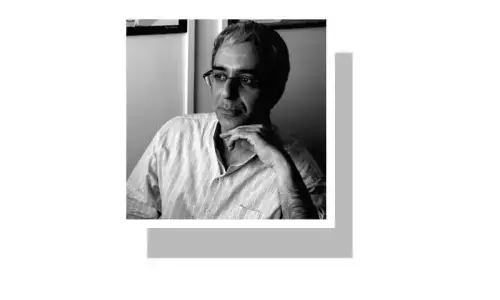
KARACHI, Jan 17: Poet Mohsin Bhopali died at PNS Shifa Hospital of pneumonia on Tuesday. He was 74. He left behind his wife, four sons and two daughters.
Born in Bhopal, Mohsin Bhopali started composing verses in 1948 and became a disciple of Seemab Akbarabadi and Saba Mathravi. He later migrated to Pakistan. Bhopali made his mark in poetry with ghazals, but gradually won acclaim in other forms with his versatility.
It was his consummate skill in Haiko that established him as a master. He had the distinction of being Pakistan’s first Urdu poet to write Haiko. He set another trend in Urdu poetry with Nazmaney – a form improvised by him.
Haiko was first brought to Pakistan by the late Tanvir Abbasi, one of the most powerful Sindhi poets of modern times. Mohsin Bhopali translated Abbasi’s Sindhi Haikos into Urdu in 1963 and later started composing verses in Haiko.
Mohsin Bhopali tried almost all forms of poetry. He also wrote Hairaton ki Sarzamin, a travelogue about a tour of the United States. A collection of interviews, `Qaumi yekjehti mein adab ka kirdar’, is available in book form.
Mohsin Bhopali was vocal in opposing the 1992 military operation in Karachi, devoting a book of verses, Shahr-i-Ashob, to the subject. .
He also translated Sindhi poetry into Urdu. Critics hailed his efforts to bridge the Urdu-Sindhi gulf.
Poet Khalid Alig once praised him as `a committed person who never deviated from the path he had chosen for himself in youth.’
His namaz-i-janaza was offered at Jama Masjid Hadi Market, Nazimabad, and he was buried in the Paposh Nagar graveyard. Literary figures, provincial ministers, parliamentarians and town nazims attended the namaz-i-janaza.