With economic stabilisation yet to translate into tangible improvement in living standards, the country’s leaders are finding it increasingly difficult to ignore demands for relief.
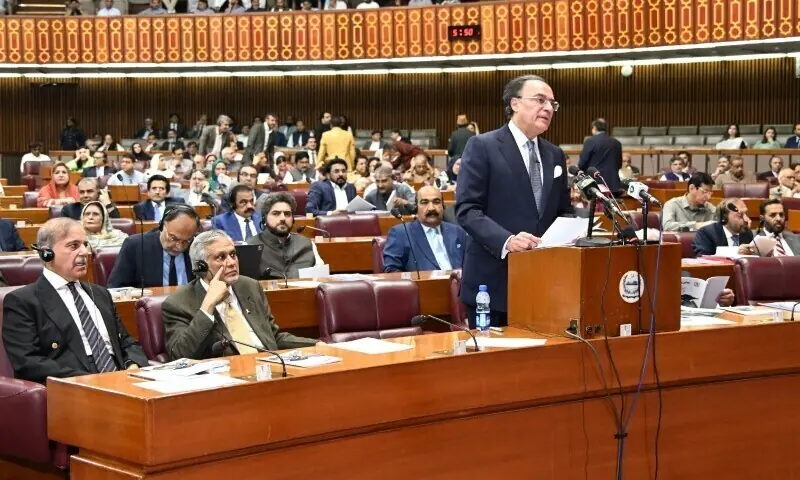
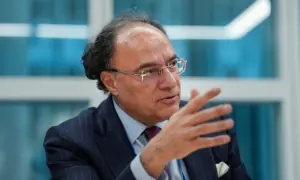
Speaking to provincial ministers, Finance Minister Muhammad Aurangzeb praises fiscal discipline, seeks stronger tax collection in property, services and agriculture.
Says changes to NAB law for transparency in chief’s appointment should be tabled by 2027; govt commits to enhancing capacities of provincial anti-corruption bodies.
Notes that a significant disruption to the GCC economies and return of migrant workers could weigh on these flows, a major source of financing for consumption and the balance of payments.
The government no longer has the budgetary space to continue carrying hundreds of billions of rupees in untargeted subsidies while the power sector itself remains trapped in circular debt, inefficiencies, theft and under-recovery.
These funds are part of external financing support extended by the UAE in 2019 to help stabilise Pakistan’s balance of payments and have been rolled over multiple times.
Lender projects interest payments to ease through FY30 as policy rates fall; for the current year, the Fund has revised its estimate to 6.5pc of GDP from 6.7pc in view of lower policy rates.