THE recent and rather dramatic signing of the Islamabad Memorandum of Under- standing (MoU) has been hailed as a triumph of modern statecraft. Spearheaded by Pakistan’s pivotal role as the official mediator, the agreement between the United States and Iran has really provided undeniable immediate relief to the world.
Yet, beneath the triumphant diplomatic handshakes, a deeply cynical reality is taking shape. The agreement is not a permanent monument to bilateral or regional harmony. It is a highly volatile, fragile truce designed to buy temporary compliance using a hyper-compressed 60-day timeline. The core systemic patho-logies that triggered the conflict remain entirely untouched.
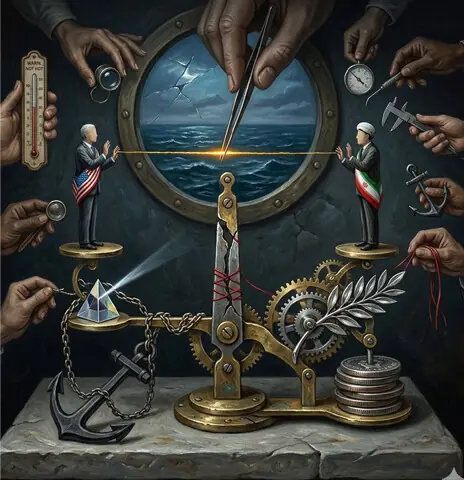
The most analytical and heavily debated engine of this stabilisation effort is the R4 framework, an intricate risk-management model imported from global crisis economics to stabilise a fractured state.
Built upon four rigid pillars — Risk Reduction, Risk Transfer, Risk Retention and Prudent Risk-Taking — R4 is being deployed as an economic shock absorber to keep Iran’s domestic infrastructure from collapsing under the weight of recent hostilities.
The fatal flaw of this approach lies in the naive assumption that economic risk-management frameworks can seam-lessly overwrite deep-seated military doctrines.
For Iran, the R4 framework is strictly a transactional tool for economic survival, a temporary mechanism to ease hyper-inflation, to secure basic commodities, and to have access to its long frozen assets.
It has absolutely no intention of allowing these economic concessions to dictate or dismantle its whole sovereign security architecture. This divergence explains why Iran’s sophisticated forward-defence dynamics — its expansive network of regional proxy forces and asymmetric regional militias — have been left entirely untouched.
To believe that long-term stability can be achieved while leaving this forward-defence apparatus completely intact is a delusion of historic proportions.
Tehran has spent decades cultivating these non-state alliances as an existential buffer against foreign invasion. As things stand, both sides are actively pursuing entirely distinct agendas through the same MoU document.
In the final analysis, the Islamabad MoU is a brilliant exercise in immediate crisis management, but it seems to mistake the temporary absence of active violence for the presence of durable peace. While Pakistan surely deserves immense credit for leveraging its diplomatic weight to bring to a halt a hot war, the world must remain cautious. We have not entered a new era of harmony; we have simply hit the pause button on a global catastrophe.
Majid Burfat
Karachi
Published in Dawn, June 28th, 2026