ISLAMABAD: A parliamentary committee reviewed the government’s proposed scheme for retailers on Wednesday, as top finance ministry officials claimed that around two million shopkeepers would be registered under the initiative to generate an additional Rs50 billion for the exchequer.
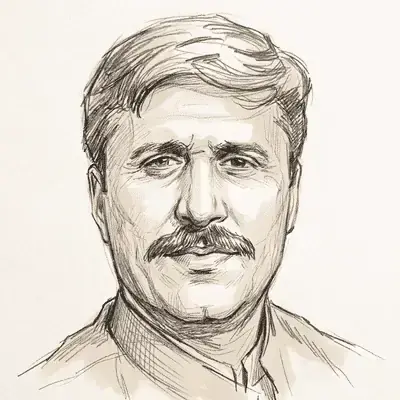
State Finance Minister Bilal Azhar Kayani briefed the National Assembly’s Standing Committee on Finance on its structure and expected outcomes. He described himself as the “architect of the initiative”.
Naveed Qamar chaired the meeting and focused on assessing the key features and implementation strategy of the scheme.
Mr Kayani informed the committee that more than 3.5 million retailers across the country remain outside the tax net, based on commercial electricity connections, while only 660,792 are currently registered. “There are extensive opportunities for the FBR to expand the tax net within the retail sector,” he added.
He said if 30pc of unregistered retailers were brought into the scheme, over one million new taxpayers could be added.
The minister said a new registration scheme was under consideration to integrate undocumented businesses into the tax system. Small traders, he added, would be exempt from the point of sale system and digital invoicing requirements.
Penalty for non-payment
Explaining the enforcement mechanism, Mr Kayani said shopkeepers would declare their income and tax payments directly in their returns. Penalties for non-payment of fixed tax have been proposed at Rs10,000 in the first month, Rs25,000 in the second, and Rs50,000 in the third. Persistent defaulters could face business closure, he added.
The committee was informed that a mechanism would be introduced soon to eliminate physical interaction between taxpayers and officials, reduce discretionary powers, and to curb opportunities for collusion. The method will be known as the “Faceless Assessment and Audit System”.
Budget review
The Senate Standing Committee concluded its review of the Finance Bill 2026-27 and the Annual Budget Statement. The meeting was chaired by Saleem Mandviwala.
As part of its oversight role, the committee examined proposals relating to taxation, customs administration, digitalisation of tax systems, industrial competitiveness, exports, investment promotion, tariff reforms and revenue generation.
Published in Dawn, June 18th, 2026