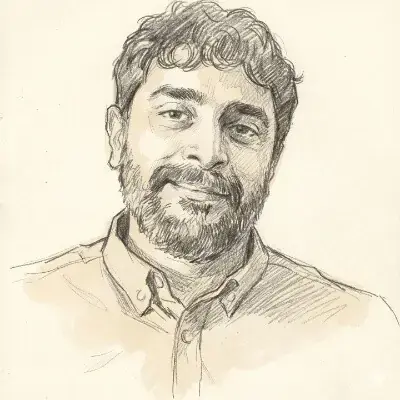
KARACHI: A multi-party seminar organised by the platform ‘Ba-Ikhtiar Awam’ on Saturday called for stronger local governments (LGs) with constitutional, administrative and financial powers, with political leaders stressing that better public services and stronger democracy were only possible when authority was transferred to the grassroots level.
The seminar, titled “The Constitutional Future of Article 140-A and Empowered Local Governments,” brought together leaders from major political parties, lawmakers and civil society representatives to deliberate on the future of local governance in Pakistan.
Among those who attended were former federal minister and head of Ba-Ikhtiar Awam Asad Umar, senior Muttahida Qaumi Movement-Pakistan (MQM-P) leaders Dr Farooq Sattar and Aminul Haque, Pakistan Tehreek-i-Insaf (PTI) Additional Secretary General Firdous Shamim Naqvi, Jamaat-i-Islami (JI) leader and opposition leader in the Karachi Metropolitan Corporation (KMC) Advocate Saifuddin, Pakistan Muslim League-Functional (PML-F) leader Sardar Rahim, Grand Democratic Alliance (GDA) leader Hasnain Mirza, MQM-P MPAs Taha Ahmed Khan and Adil Askari, former PTI MPAs Bilal Ghaffar, Sidra Imran and Dr Sanjay along with other political and social figures.
Addressing the seminar, Mr Umar said Pakistan required a new charter of democracy that guaranteed constitutional, administrative and financial protection for LGs.
Better service delivery, stronger democracy only possible when administrative, fiscal authorities transferred to grassroots level, moot told
He said attempts to govern the entire country from Islamabad and provincial capitals had resulted in administrative inefficiency and widening public grievances.
He proposed granting LGs constitutional recognition as a third tier within the National Finance Commission (NFC) framework to ensure a fair distribution of resources. He also stressed the need to provide constitutional protection to elected local bodies so that no provincial government could dissolve them for political reasons.
Dr Farooq Sattar said the spirit of the 18th Amendment was to empower LGs, but powers had instead become concentrated at the provincial level.
He said strong and autonomous LGs formed the backbone of governance in developed countries and argued that the issue of LG autonomy had now emerged as a national debate.
The PTI leader Naqvi said a financially empowered and administratively strong LG system was indispensable for a megacity like Karachi.
He emphasised that citizens’ issues should be resolved by local representatives instead of forcing people to seek solutions from distant provincial or federal authorities.
Advocate Saifuddin of JI said Article 140-A lacked a clear interpretation regarding the transfer of powers to the grassroots level. He criticised the transfer of key civic institutions from city administration to the provincial government, saying such measures had weakened local governance and undermined service delivery.
PML-F leader Sardar Rahim said provincial governments continued to dominate local bodies due to ambiguities in Article 140-A. He underlined the need to administratively unify Karachi, and said discussions on empowered local governance would help create public awareness about the importance of local institutions.
GDA leader Mirza said Provincial Finance Commissions and District Finance Commissions had failed to function effectively despite constitutional commitments made after the 18th Amendment.
He maintained that legal loopholes allowed ruling governments to retain excessive control over local institutions.
Former Sindh Assembly member Bilal Ghaffar said strengthening democracy in Pakistan required a genuinely empowered LG system.
He said a meaningful transfer of authority and resources to the grassroots level was essential for resolving public issues and ensuring accountable governance.
Published in Dawn, May 17th, 2026