UN nuclear watchdog report says Iran must allow inspections, points at Isfahan as place of interest
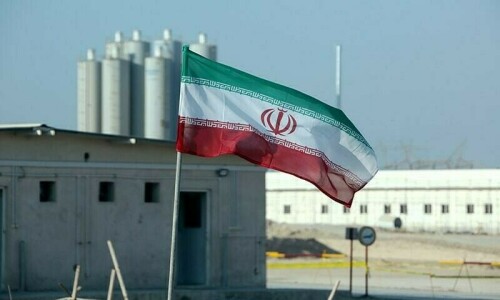
The UN nuclear watchdog issued a confidential report on Friday urging Iran to let it inspect all its nuclear sites and pointing at Isfahan as a place of interest because of a new enrichment plant and near-bomb-grade uranium that was stored there.
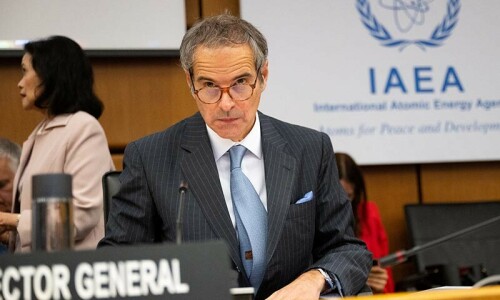
The report was sent to members of the International Atomic Energy Agency (IAEA) ahead of a quarterly meeting next week of its 35-country board, amid nuclear talks between the United States and Iran, the latest round of which was held on Thursday with no breakthrough.
Like previous IAEA reports, it could be used by Washington to support its argument that Tehran has not been transparent about its nuclear activities, at a time when US President Donald Trump has massed forces in the region and threatened new military action.
The United States and Israel bombed Iranian nuclear sites last June, and Iran has since refused to show what happened to its stockpile of highly enriched uranium or allow IAEA inspectors access to sites where enrichment took place.
“While the Agency acknowledged that the military attacks on Iran’s nuclear facilities had created an unprecedented situation, it is critical for it to conduct verification activities in Iran without any further delay,” the report seen by Reuters said.
Indispensable and urgent
Allowing inspections was “indispensable and urgent”, it said.
It also said a successful outcome in the US-Iranian negotiations would have a “positive impact on the effective implementation of safeguards in Iran and the resolution of issues described in this report”.
The IAEA estimates that Iran had 440.9 kilogramme of uranium enriched to up to 60 per cent before last year’s Israeli-US attacks — enough, if enriched further, for 10 nuclear weapons, according to an IAEA yardstick.
The agency and Western powers believe the bulk of that is still intact.
Washington wants Tehran to give it up.
The report provided new details about activity at Isfahan, where diplomats have said much of the Islamic Republic’s most highly enriched uranium has been stored in a tunnel complex that appears to have averted destruction last June.
For the first time, the report confirmed that material enriched to up to 20 pc and 60 pc had been kept there.
In satellite imagery, the IAEA had observed “regular vehicular activity around the entrance to the tunnel complex at Isfahan in which (uranium) enriched up to 20 pc and 60 pc U-235 … was stored,” it said.
The US-Israeli attacks are believed to have destroyed or badly damaged the three uranium enrichment sites known to have been operating at the time.
Shortly before Israel launched its attack, Iran said it was setting up a fourth enrichment plant in Isfahan, though the IAEA still does not know its precise location or whether it is operational, the report said.
“It is a matter of increasing concern that Iran has never provided the Agency with access to its fourth declared enrichment facility since it was first declared by Iran in June last year,” the report said.