KOHAT, March 27 The Tehrik-i-Taliban, Darra Adamkhel, and tribal elders on Friday linked extension in the ceasefire with proper response of the NWFP governor and the political administration.
They warned of ending the unilateral ceasefire announced by the Taliban if the civil administration and the NWFP governor failed to show 'eagerness' and sincerity for initiating peace talks.
The jirga, which had proceeded to an unspecified location to discuss the situation after the ceasefire, could not return Darra Adamkhel till the filing of this report on Friday night.
The ceasefire had been extended to a new date, which was expected to be announced on Saturday, credible sources privy to the talks told Dawn. However, the extension in ceasefire will depend on the government's response.
“We have announced ceasefire on the appeal of 100 elders of the five major tribes keeping in view the interest of the public, otherwise we have no desire to talk to the reluctant government and political administration,” the Taliban conveyed their stance to the government in a strong-worded statement on Friday.
A tribal jirga called on the Tehrik-i-Taliban leaders to discuss the ceasefire and to appeal to their Shura for extending the deadline beyond March 30.
The Taliban and the elders agreed that the extension in the ceasefire would be subject to 'positive change' in the attitude of the government and the political administration.
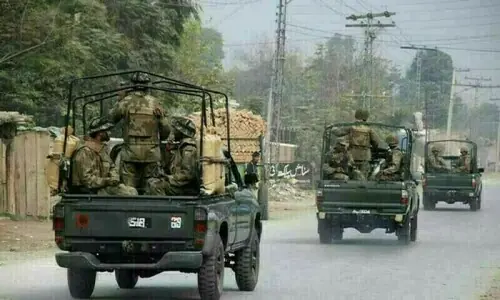
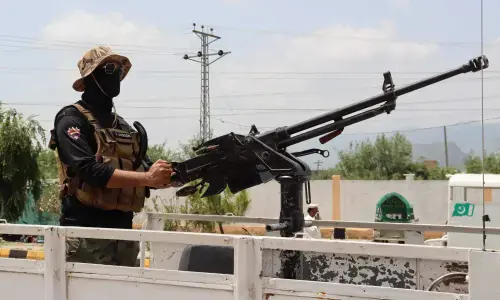
The Taliban appreciated the positive response to their ceasefire announcement by security forces, but condemned a few violations by bombing villages and carrying out search operations in Babozi, Akhorwal, Bazidkhel and Bostikhel areas after the ceasefire.
They alleged that the security forces had opened fire on a wedding ceremony in Akhorwal, arrested two men in Bazidkhel who were later released, and bombed Bostikhel and Babozi areas. These acts of violations had a negative impact on the ceasefire and had created confusion, Taliban spokesman Mohammad said.
He claimed that the rocket attack on a school in the cantonment area a few days ago had not been carried out by the Taliban, but by some 'hidden' forces that wanted to sabotage the peace efforts initiated by the elders of five major tribes and the Tehrik-i-Taliban.
The Taliban spokesman told Dawn by telephone from an undisclosed location that the tribal elders had held negotiations with them and they had decided to extend the ceasefire. But for that the civil administration would have to show some progress.
“We doubt the intentions of the civil administration because the DCO and the Fata secretary have not responded to our ceasefire announcement of March 15 so far. It clearly shows they do not want peace in the area and want to continue war.”
He said if the civil administration did not change its attitude they would have to end the ceasefire and the responsibility of the consequences would rest with the civil administration.
Both the tribal elders and the Tehrik-i-Taliban decided that they would not cooperate with the tribal administration if it did not show keenness for peace talks.