0
0

GENERAL Kayani has eloquently conveyed Pakistan's standpoint over the Afghanistan issue. According to him, the need for a “strategic depth” in the neighbouring country is indicative of the development towards the much-awaited peace, harmony and stability in the region, as a result of which relations between the two countries will become friendlier, which is what NATO along with the rest of the international community is aiming at.
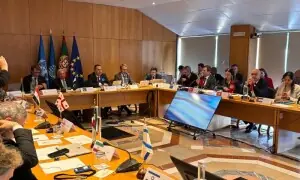
Pakistan's 'open door' generosity is congruent to what US Secretary of State Hillary Clinton expressed as she presented a long-term, non-military strategy, during a conference in London, to stabilise Afghanistan and Pakistan which required sending more civilian experts to the region.
This new civilian strategy delineates plans to rebuild the Afghan farm sector, improve governance, and bring extremists back into mainstream society along with enhancing Pakistan's capabilities to fight a growing Islamist insurgency and ultimately working towards a new relationship between Pakistan, Afghanistan and the US.
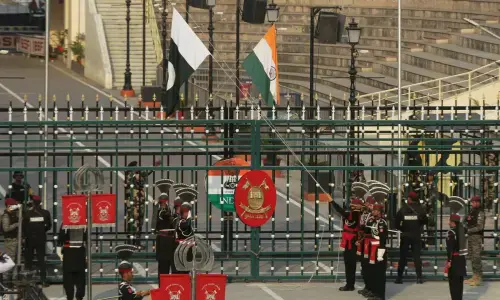
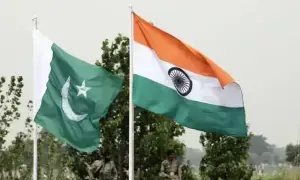
“If we get more involved with the Afghan National Army, there is more interaction and better understanding,” stressed the Pakistan COAS. This understanding is, however, threatened by India's involvement in contributing financial support to the government and by providing training to Afghan forces in Afghanistan and is raising suspicion both in Pakistan and the US.
The contribution made by Pakistan for the eradication of terrorism in the region needs to be highlighted as it is in the best interest of the global war on terror. US Gen McChrystal asserted that “Stability in Pakistan is essential, not only in its own right, but also to enable progress in Afghanistan. While the existence of safe havens in Pakistan doesn't guarantee ISAF failure, Afghanistan does require Pakistan's cooperation and action against violent militancy, particularly against groups active in Afghanistan.”
India is, therefore, advised to make its objectives transparent in the region so that it does not exacerbate regional tensions and force Pakistan to take counter measures, which may affect the international community at large.
LUBNA UMAR
Islamabad