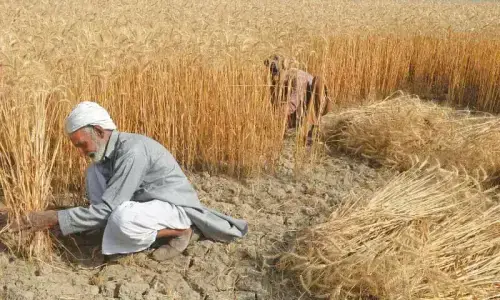
KABUL: Afghan poppy cultivation increased this year but estimated opium production fell 36 per cent because of plant diseases and bad weather in the world's biggest producer, the United Nations said Tuesday.
The area under opium poppies rose by 18 per cent despite increased eradication efforts by the Western-backed government, the UN Office on Drugs and Crime (UNODC) said in its annual report.
While farm-gate prices for opium remained relatively high at $196 per kilogram, the value of opium produced was halved to $700 million, dropping from the equivalent of seven per cent of GDP in 2011 to four per cent in 2012.
Afghanistan produces about 90 per cent of the world's opium, and poppy farmers are taxed by Taliban militants who use the cash to help fund their insurgency against the government and NATO forces.
“High opium prices were a main factor that led to the increase in opium cultivation,” said UNODC executive director Yury Fedotov.
High prices would also “provide a strong incentive for farmers to start or resume poppy cultivation in the coming season”, the survey said.

Fedotov called for “sustained effort by the Afghan government and international stakeholders to address illicit cultivation with a balanced approach of development and law enforcement measures”.
However, the report shows that cultivation increased despite “a significant 154 per cent increase in government eradication efforts,” with nearly 10,000 hectares of poppy wiped out.
Most poppy cultivation, 95 per cent, was concentrated in the southern and western provinces hardest hit by insecurity and organised crime.
“This confirms the link between insecurity and opium cultivation observed since 2007,” the survey said.
The Taliban make at least 100 million dollars a year from taxing Afghanistan's opium trade, US and Afghan officials say.
Wiping out the crop has been part of efforts to stabilise Afghanistan since the militant' regime was ousted by a US-led invasion in 2001.
The poppies, which provide rich pickings in one of the world's poorest countries, also play a large part in the corruption that plagues Afghan life at every level, from district to national government.
With so many people profiting from poppies on both sides of the war, efforts to wean farmers off a crop that gives them an income several times higher than mainstream produce is not easy.