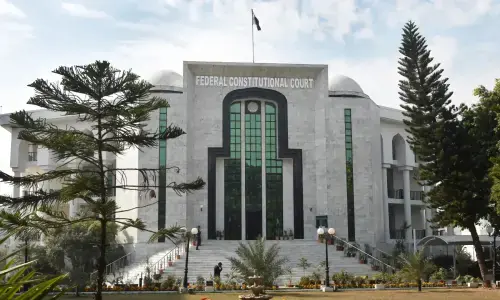
ISLAMABAD, Sept 25: The Supreme Court ordered the National Accountability Bureau on Tuesday to submit all inquiry files, case by case, pertaining to rental power projects (RPP).
A three-judge bench comprising Chief Justice Iftikhar Mohammad Chaudhry, Justice Jawwad S. Khawaja and Justice Khilji Arif Hussain expressed annoyance over no-implementation of its verdict on the RPP case in letter and spirit.
The court reminded NAB’s Prosecutor General K.K. Agha that former water and power minister Raja Pervez Ashraf had admitted during the hearing of the case that the national exchequer had to suffer losses because of four unsolicited rental projects.
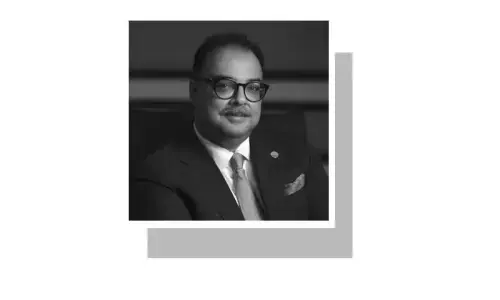
At the last hearing on Sept 14, the court issued show-cause notices to NAB Chairman Admiral (retd) Faseeh Bokhari and seven senior officers of the bureau and asked them to explain why they should not be arraigned under contempt charges for not implementing its verdict.
On Tuesday, Admiral Bokhari appeared before the court but was allowed exemption from personal appearance in future proceedings with an understanding that he could be summoned if needed.
When K.K. Agha tried to explain that under the National Accountability Ordinance the foremost priority of NAB was to recover the plundered money and the accused were never prosecuted after they voluntarily returned the money, the court observed that plea bargain was not valid after the verdict was announced.
The chief justice recalled that the court had on March 30 rescinded all RPP contracts by declaring them illegal and non-transparent and ordered NAB to proceed against the accused responsible for causing losses of billions of rupees to the national kitty.
He observed that the objective of any criminal action was to create deterrence so that influential people could not dare to indulge in corrupt practices.
Justice Khawaja said the recovery of $10 million in the RPP case could be possible only because of court’s intervention. He said the court was not meant to become an investigating authority but to ascertain progress in the case.
The court observed that it had already made the case very simple and asked what barred NAB from proceeding against the accused.
But NAB cautioned the court against rushing into any conclusion and defended the plea bargain. Mr Agha said delay was not intentional.