PESHAWAR, March 30: The Khyber Pakhtunkhwa Textbook Board (KPTB) has prepared new curriculum for the secondary school classes and removed material that could cause hatred and biases in the society. However, there would be no change in Islamiat and English courses.
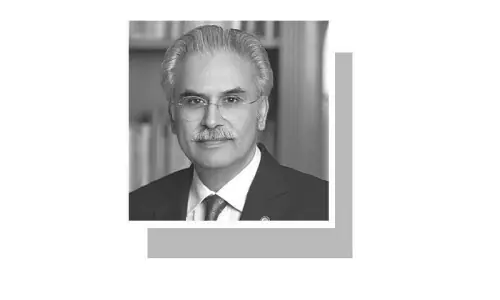
“We hope the new subject material will promote harmony and tolerance in the society,” said KPTB chairman Dr Fazlur Rahim Marwat.
The new textbooks have been designed in the light of curriculum approved in 2006, he said. The initiative has been taken from grade-9 subjects and the students would have new textbooks with the commencement of new academic year next month, he said, adding that new textbooks for grade-10 would be introduced in 2013.
Mr Marwat said that the textbooks of all subjects, except Islamiat and English, being taught in secondary school certificate (SSC) classes had been changed.
“The decision to bring changes in English and Islamiat courses has been withdrawn after some religious groups expressed their reservations,” he said.The KPTB chairman said that the new curriculum had been set in a manner that it would discourage rote learning while students would not be completely dependent on teachers, as the books had been made interesting to engage the students. “The new courses are designed in such a way that students will systematically progress from simple to complex topics so as to keep their interest in study intact,” he said. If the courses were too simple then students would lose interest in learning, Mr Marwat added.
The new curriculum was focused on clearing concepts of the students, as it was noted that most of the students had been appearing in the examinations without a clear understanding of many topics. Such students were often found in trouble whenever pattern of papers was changed, he said.
Regarding the science subjects, he said that the overall goal of science education was to develop scientific literacy. The new curriculum of science subjects would provide students a sound foundation in science that would create opportunities for them to pursue progressively higher studies, prepare them for science-related occupations, and engage in science-related activities of their interests and abilities, he said.
The board chairman maintained that the new course was focused on developing varying aptitudes and interests in the students. It was also about the knowledge of a wide variety of careers related to science, technology and environment.
Mr Marwat said that study of the course would enable the students to critically address social, economic, ethical and environmental issues related to science and technology. Besides, it would generate curiosity among them about scientific and technological endeavours, as all material in the new science subjects was activity-based, he said.