KARACHI, March 16: Expressing concerns over the killing of journalists in the country, media practitioners on Friday called for better security measures for their colleagues.
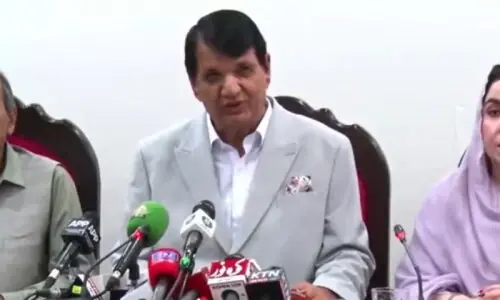
Speaking at the launch of Media Commission Pakistan's report entitled “Attacks on Journalists and Media Freedom” at the Karachi Press Club, they said that journalists were working in an environment of rising intolerance and growing ethnic and sectarian extremism. The 96-page report has been prepared in collaboration with the South Asia Free Media Association (Safma), Pakistan Federal Union of Journalists (PFUJ), Karachi Union of Journalists (KUJ), ATJ and the KPC.
It includes executive summary of the report issued by the judicial commission on Saleem Shahzad's murder, headed by Justice Mian Saqib Nisar, in which it has been said that “from what is available on the record, unfortunately, the culprits cannot be identified”.
While calling for a “balance between secrecy and accountability” in the conduct of intelligence gathering, the commission emphasises that “important agencies (ISI and IB) be made more law-abiding, through a statutory framework carefully outlining their respective mandates and roles.” It also recommends that “all agencies be made more accountable through effective and suitably tailored mechanism of internal administrative review, parliamentary oversight, and judicial redressal of citizen's grievances against them”.
The speakers supported the commission in its call to parliament and the armed forces for implementing remedial measures by intelligence agencies and parliament to help improve relations between the media persons, citizens and security agencies.
About reports of multiple threats to journalists' security in Sindh, particularly in Karachi, the report chronicled the murder of Wali Babar, Altaf Chandio and several other incidents.
It has noted that a TV anchor hosting a programme on extortion was axed by his employer, and sadly enough, the journalist is not prepared to disclose the political party which robbed him of his job and access to information to the general public, because of fear. It has noted that gunmen open fire on media vehicles while reporters and cameramen are attacked and beaten up in the city.
According to the report staff and leaders of the city's newsrooms receive all kinds of threats by SMS, email and telephone calls, putting them under serious mental stress.
The report noted that journalists were not provided adequate security by their corporate managers, especially when operating in the conflict zone.
It said that journalists should be provided risk and life insurance coverage by the government and the media employers besides ensuring training in conflict reporting.
Urging the state actors to follow a code of conduct that ensures respect for freedom of expression and the right to know in their relations with the media, it also stressed upon the media to observe a code of ethics in reporting conflict.