



 0
0

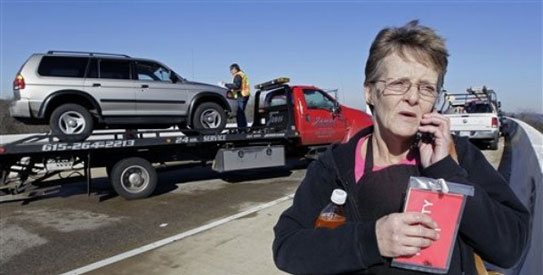
WASHINGTON: investigators called on Tuesday for a nationwide ban on texting and cell phone use while driving, a prohibition that would include certain applications of hands-free technology becoming more common in new cars.
The National Transportation Safety Board recommendation covers portable devices only but still goes beyond measures proposed or imposed to date by regulators and states, most of which already ban texting while behind the wheel.
“When it comes to using electronic devices, it may seem like it's a quick call or a quick text or a tweet, but accidents happen in the blink of an eye,” said NTSB Chairman Deborah Hersman. “No emails, no texts, no calls. It's worth a human life.”
More than 3,000 people were killed in distracted driving crashes in the United States in 2010, according to Transportation Department figures. Most motorists participating in a Transportation Department survey released last week acknowledged few situations in which they would not use a cell phone or text while behind the wheel although they supported measures to curb the practice.
The five-member NTSB recommendation to states for a ban, except in an emergency, stemmed from an investigation of a Missouri chain-reaction crash that killed two people last year, an accident blamed on a driver who was texting.
The panel's action follows nearly 10 years of investigating transportation accidents linked in some way to distraction and is not binding. But the safety board has long been effective at articulating national transportation safety priorities and its views can be influential in legislative or regulatory decision-making.
Congress has shown no interest in banning cell phone use or texting while driving. So far 35 states and the District of Columbia ban texting while driving, but fewer than a dozen prohibit using a cell phone.
The Transportation Department has waged an aggressive public campaign on the issue under Secretary Ray LaHood that has included limited bans.
“There's no call or text message that's so important that it can't wait,” LaHood said. LaHood has raised concerns about distracted driving and hands-free technology with automobile companies but has not prompted federal action or asked industry to stop putting it into new vehicles.
Cell phones and communication technology is ubiquitous and sweeping bans like the one proposed by the NTSB are considered difficult to enforce, experts have said. This is one reason why federal and state restrictions so far have focused on the most obvious distraction - texting - or targeted individual groups, like truckers or federal workers. The auto industry has invested heavily in hands-free communications technology, like Bluetooth, that is now available in most 2012 models sold in the United States as standard or optional equipment.
“It actually is a big decision maker for some consumers,” said Jesse Toprak, a vice president of TrueCar.com, who noted that Ford Motor, in particular, has been aggressive in using it to attract younger buyers who may not otherwise have considered one of their cars.
Ford referred inquiries to the industry's trade group in Washington, the Alliance of Automobile Manufacturers, which said it was reviewing the NTSB recommendation.
“What we do know is that digital technology has created a connected culture in the United States and it's forever changed our society: consumers always expect to have access to technology, so managing technology is the solution.
“Features that are integrated into the vehicle, and are designed by automakers are engineered to be used in the driving environment. That means it's designed to be used in a way that helps drivers keep their eyes on the road and hands on the wheel,” the group said.
The trade association representing carriers, suppliers, and manufacturers of wireless products said texting while driving is “incompatible with safety.”
CITA-The Wireless Association deferred to individual states on “what they believe are the most appropriate laws” and said it has always encouraged industry to develop tools that would create safer driving.


























