0
0

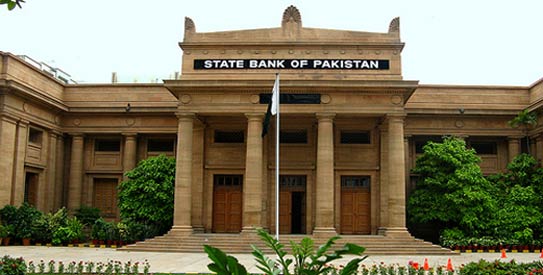
KARACHI: Despite prevailing liquidity crunch in the banking system, the banks on Wednesday invested a huge amount of Rs119 billion in the Treasury Bills.
The State Bank has frequently been injecting huge liquidity in the inter-bank system since the start of Ramazan as banks faced massive Eid-related withdrawals and other market factors.
The cut-off yield on the T-bills remained the same as it was in the last auction when the banks invested Rs181 billion in the government papers on August 9.
The continuous huge investment in government papers have practically destabilised the financial services by banks while the State Bank in its earlier report observed that the commercial banks were only serving the government.
The risk-free high return of over 13 per cent made the banks idle while they remained profitable despite worst performance of the economy. Recent report said the five big banks earned Rs40 billion (after tax profit) during the first six months of the current calendar year.
The investment in government papers kept the banks profitable for the last few years while the economy witnessed poorest average growth during the last three years.
The State Bank has been asking the government to reduce its reliance on borrowing from commercial banks to create a room for the private sector to use the money.
The government’s heavy borrowings from the commercial banks have badly impacted the economy since the private sector remained on sideline as the borrowing became much costlier due liquidity crunch.
At the same time the banks are also reluctant to extend loans to private sector that hits the economic growth. Banks are avoiding non-performing loans and earning high profit through investment in the government papers.
The T-bills auction on Wednesday showed that the banks invested most of the money for one year and six months reflecting their confidence that the policy interest rate would remain steady. Analysts said there was no chance for higher interest in the future.
The banks invested Rs113 billion in one-year papers, Rs4.7 billion in six-month and Rs1.4 billion in three-month T-bills. There was no change in the cut-off yield.
Earlier, the banks had been investing most of their liquidity in three-month T-bills.
Analyst said the situation is grim for the private sector which has been retiring debt instead of borrowing while their expected borrowing for this year would be limited to working capital.
The previous fiscal year witnessed the same situation as private sector borrowed only for working capital and no project financing was noted.
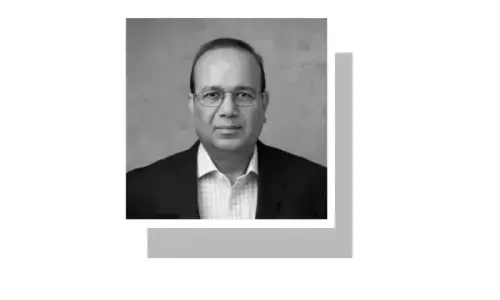
“Neither the project financing nor any expansion is being planned in private sector since getting money in big amount at reasonable rate is no more possible especially in the presence of government which offers risk-free high return,” said Mohammad Imran, research analyst and expert on investment.