0
0

ISLAMABAD, June 7: A roundtable conference on gender-based advocacy here on Tuesday highlighted emerging challenges and opportunities both at the federal and provincial levels to deal with women issues in the wake of the 18th amendment.
The event was organised by Pattan Development Organization, Friedrich Ebert Stiftung and Centre of Excellence in Gender Studies (CEGS), Quaid-i-Azam University.Speaking on the occasion, civil society members stressed the need for a strategic shift in implementation of gender equality agenda and gender-based advocacy. They said the phenomenon of strategic shift had become inevitable in the present perspective as the Ministry of Women Development was being devolved to the provinces. The speakers emphasised the need for drawing new patterns and setting diversified responsibilities for the provinces with special regard to women development in the post-devolution scene.
They termed the devolution a paradigm shift and a visionary decision on part of the federal government to empower provinces. The devolution has opened the door of numerous opportunities and challenges for the provinces and the latter can ensure good governance by reaping benefits from the host of available opportunities.
After the devolution of the women ministry, there are some concerns related to the capacity and the will of provinces which if not duly addressed can have adverse effects on women's development.
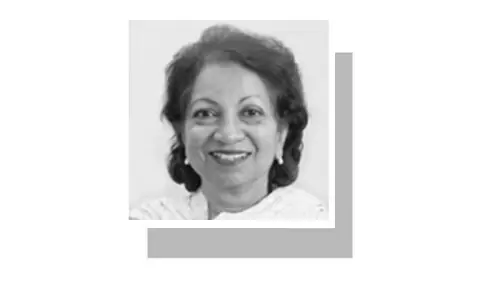
“Devolution is not contradictory to women agenda. It has given the provinces a sense of ownership. Provinces have got autarchy and the concurrent list subjects have come into the exclusive legislative domain of the provinces,'' said Farzana Bari, the director of CEGS.
Government alone took all the decisions regarding the devolution process without taking civil society and other people concerned into confidence. There are certain issues regarding the testing, standards, compliance with international laws and ratifications with United Nations conventions which are bothering the civil society and other stakeholders, said Ms Bari.
Chairperson National Commission on the Status of Women Anis Haroon said effective delivery of women rights at the grass-roots level was vital for strengthening women. “Civil society demands immediate local elections once women ministry goes to the provinces on its specified schedule.” International agreements like Committee on the Elimination of Discrimination against Women (CEDAW), United Nations Millennium Development Goals (MDGs), working women hostels and projects of micro-financing are big question marks for us in terms of their execution and implementation. —Naila Anwar Warraich