0
0

KATHMANDU: A decade after Nepal's crown prince stunned the world by gunning down nine family members, mystery still surrounds the massacre that plunged the monarchy into a crisis from which it never recovered.
Many Nepalese believe they may never know the truth about the night of June 1, 2001, when a drink- and drugs-fuelled prince Dipendra ran amok with an automatic weapon at a family dinner at the palace in the capital Kathmandu.
Dipendra, dressed in military fatigues, killed his revered father, King Birendra, his mother, brother and sister and five other relatives before shooting himself, according to official findings.
The 31-year-old Eton-educated heir to the throne was believed to have been crazed with anger after being stopped by the queen from marrying the woman he loved.
But conspiracy theories continue to swirl in Nepal about the bloodbath, which caused outpourings of hysterical grief in the impoverished nation where the king was seen as the reincarnation of the Hindu god Vishnu.
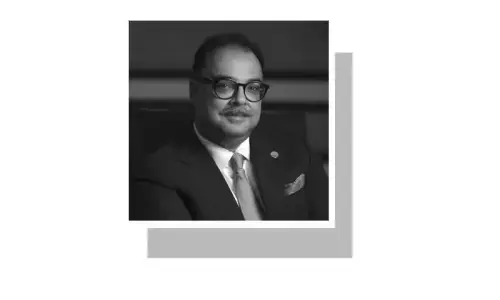
“The high-level (government) commission formed to investigate the massacre only reported what happened and how it happened,” said Vivek Kumar Shah, a former military secretary at the royal palace.
“It didn't say why it happened,” he added.
Shah said some internal and external forces could have provoked the crown prince but declined to elaborate, saying only: “There were interest groups who wanted to end the monarchy.” The royal massacre, believed to have been the worst since Russia's Romanovs were shot on the order of Vladimir Lenin in 1918, prompted rumours about the possible role in the slayings of the king's less popular brother, Gyanendra.
Gyanendra was away from the Nepalese capital on the night of the killings.
“The people, who were numb with grief, reached a hasty conclusion it was a conspiracy (involving Gyanendra),” Kishor Shrestha, editor of Nepalese weekly Jana Aastha, said.
From the start of his reign, Gyanendra was much less beloved than his brother who in 1990 had legalised political parties, ushering in a new era of democracy and constitutional monarchy.
Gyanendra's unpopularity only deepened when he dismissed the government and embarked on a period of autocratic rule in 2005, a move that united Maoist rebels with political parties, paving the way for mass protests that forced the king to step down three years ago.
A Maoist-dominated constitutional assembly declared a republic in May 2008.
Many ordinary Nepalese were delighted to see the back of the dour king as well
as his playboy would-be heir, Paras.
On June 11, 2008, Gyanendra left the palace for a hunting lodge on Kathmandu's outskirts, marking the final end to a royal lineage founded by his warrior ancestor Prithvi Narayan Shah, who conquered dozens of small kingdoms in the 18th century.
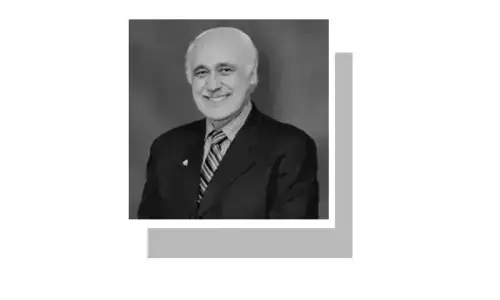
“The monarchy lost its traditional respect” with Gyanendra's decision to dismiss the government, said Nepalese journalist Yubaraj Ghimire.
“Looking back, I think the politics of 2006 when the Maoists and other parties were arrayed against the monarchy played a critical role in its demise,” Ghimire said.
Now, Nepal remains in tumult, racked by political crisis as parties struggle to draft a new constitution and oversee the peace process that began when the decade-long Maoist civil war ended in 2006.
The widespread hope that followed the end of the conflict and the abolition of the unpopular monarchy has been replaced by a growing sense of anger and frustration in Nepal, one of the world's poorest countries.
And 10 years on from the royal massacre, even though many Nepalese believe they still do not know the full truth, there is a waning desire to reopen old wounds with another investigation.
“Nobody is interested in probing it,” Shrestha said.