0
0

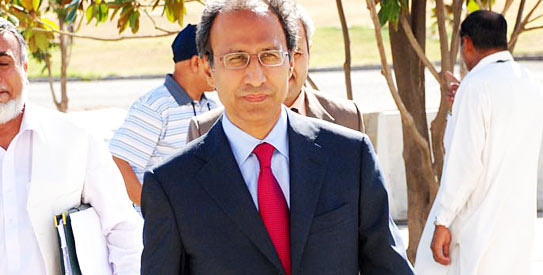
Masood Ahmed, director of the IMF's Middle East and Central Asia Department, said in an interview that while the catastrophe was still unfolding, it was clear the floods will have “a major and lasting impact” on Pakistan's economy.
Pakistani Finance Minister Abdul Hafeez Shaikh will join the talks in Washington on Wednesday, but he has already said he wants the IMF to ease restrictions on the $11 billion loan program approved for Pakistan in 2008.
Ahmed said the options available to the Pakistanis are to adjust the current Pakistan IMF program to factor in fiscal pressures arising from the floods, or to opt for emergency funding provided by the IMF to countries hit by natural disaster.
Even before the floods, Pakistan's economy had been pounded by a two-year financial crisis. The floods are set to compound the country's economic woes as the government is forced to deal with a growing humanitarian crisis, widespread damage to food crops and infrastructure, and lower tax revenues.
Ahmed said the talks will focus on the impact the floods will have on growth, inflation, and the budget.
“They will have to make hard choices in reallocating government investments toward higher priorities and find ways to mobilize the resources,” Ahmed told Reuters Television.
He said foreign aid will be vital to help the government cope given domestic funding constraints.
“Despite all that, what this makes even more imperative is that the international community, which has been active in helping Pakistan, will need to redouble its efforts to help the country overcome some of its difficulties imposed by this catastrophe,” Ahmed added.
As Pakistan appeals for aid, there are misgivings among donors about corruption and how well the money will be spent.
“One of the key areas in which we can help is to put in place a macro-economic framework that provides some stability and within which resources that are used can be rationally allocated,” Ahmed said.
“Beyond that, both the government and the key donors are very conscious of the fact that initial resources ... will need to be used both effectively and transparently to generate the kind of confidence that will ensure these resources continue to be mobilized.” – Reuters