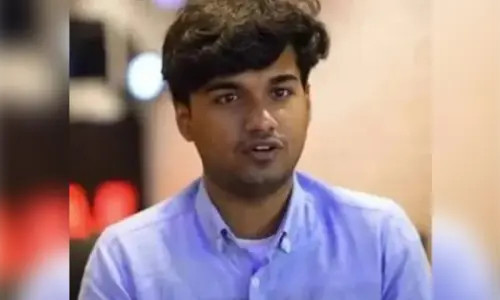
A SENIOR Unicef official has been given two weeks to leave Sri Lanka after expressing concerns about the plight of Tamils in the government-run “welfare camps” — the first UN official to be expelled from the country.
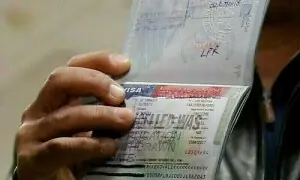
James Elder, the head of communications for the humanitarian agency in Colombo, has been told that his diplomatic status will be revoked, even though his visa does not expire until next July. There was no response from the government, although it has been reported that immigration authorities in the Sri Lankan capital had been instructed by the government to cancel the visa.
According to local newspapers, the government had been angered by remarks made by Elder to the media about the conditions in government camps that are home to almost 300,000 Tamils displaced after the Sri Lankan army routed the separatist Tamil Tiger rebels in May.
Elder warned recently that the island's impending monsoon would flood the refugee camps, and called on the government to act. Unicef and the government had been involved in a war of words over who was responsible for supplying the camps with basic facilities such as toilets and tents. The government said criticisms over lack of facilities should be levelled at the aid agencies. Unicef pointed out ultimate responsibility for the camps rested with the government, and that the UN's support had been greatly hindered by the government's restrictions on access to the camps.
Elder, an Australian national, was a familiar figure to those who covered the bloody endgame of the Sri Lankan civil war. He had been working in Sri Lanka for Unicef since July last year and had been featured on foreign television news channels as well as quoted in the international media.
Before the government crushed Tiger rebels in May, Elder spoke of the “unimaginable hell” suffered by children caught up in the last stages of the war. He had drawn attention in April to the deaths of hundreds of children killed in the previous months of battle. He also said those who survived were “living in dire circumstances, caught in the crossfire”.
Unicef released a statement saying that it is urgently “seeking clarity from the Sri Lankan authorities” on his status. Sarah Crowe, Unicef's regional head, said that Elder had not been taking sides but had been an “impartial advocate ... which is giving a voice to those who are vulnerable and unable to speak for themselves”.
However, officials in the United Nations have been fuming over Sri Lanka's move saying it was reminiscent of “North Korean diplomacy” and that it was aimed at “paralysing Unicef”. The move has been condemned by human rights groups, who say it is designed to “stop humanitarian relief and monitoring operations”.
The Sri Lanka government has been unapologetic about its tight control of media coverage of the fighting and had banned all independent access to the conflict zone in the northeast. It had a policy of giving visas only to those international reporters who had been, in the foreign ministry's words, “balanced” in their coverage.
— The Guardian, London