0
0

ISLAMABAD, July 31: Rich countries, including the United States, have agreed to reduce agriculture subsidies, opening market access to the products of developing countries.
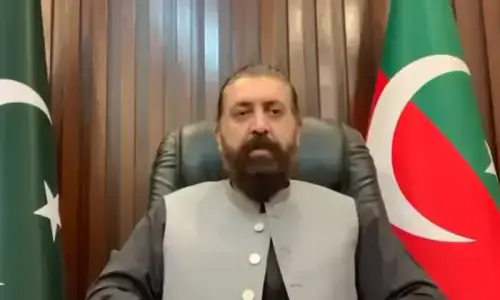
Commerce Minister Humayun Akhtar Khan, who represented Pakistan in the recently-held WTO General Council meeting in Geneva, told Dawn on Saturday that through the famous July Package, with the reduction in export subsidies, the prices in international market would come to a realistic level, providing an opportunity for the products coming from developing countries.
The minister, who had reached Kenya after attending the General Council meeting, told Dawn on telephone that the European Union had also offered to eliminate export subsidy.
Mr Khan said the biggest victory for G-20 countries was to have the concept of an end date for elimination of export subsidies in order to bring export credits of the US under discipline.
On market access also, he said, they agreed tiered formula, which meant that higher duty rates would have to be cut by a higher degree. This was a demand of G-20 countries which was included in the text agreement.
He said the EU had also agreed to maintain a list of limited special products (SPs) - not be subjected to normal tariff reduction - which would help in increasing the access to EU member countries' markets. He said the list should be realistic and not more protective in nature.
The package would also offer developing countries the longer implementation period and lesser tariff reduction on agriculture products. The cut in duties will be applied to the bound rates (a limit beyond which the duty could not be raised).
"We have achieved a lot to protect our industry and farmers. We will get more cushion in reduction of duties to provide protection to our farmers," he hoped.
Through the concept of SPs, he said: "We could designate our sensitive products such as sugar, wheat, edible oils, etc., as SPs. We can continue to have higher tariff protection than at present."
Mr Khan said that on the Non-Agriculture Market Access (NAMA), there were some reservations from the African countries and less developed countries on the significance of the attachments.
The minister said the non-linear formula for NAMA would result in a very rapid cut of the industrial tariff in the major market. This, he said, would also open market for the products of developing countries.
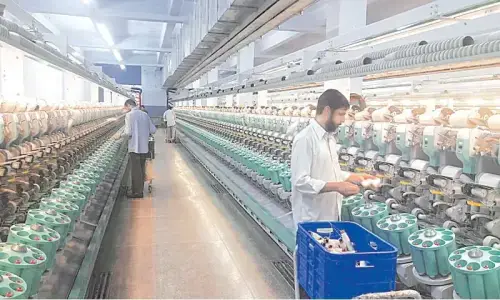
Answering a question, he said the abolishing of textile quota was a part of the Uruguay Round, which was signed in the year 1994. "It is not under negotiations at all to extend the quota beyond December 31, 2004. The issue is not under debate. It will not happen at any cost and Pakistan will oppose any move in this regard," the minister added.