0
0

KARACHI, Jan 12: Chairman, Space and Upper Atmosphere Research Commission, Maj Gen Raza Hussain, on Monday deplored that the Inter-Islamic Network on Space Science and Technology (ISNET) has failed to enhance cooperation among member countries in the field of space sciences.
Speaking at inauguration of 11-day training course on environmental studies, using satellites, balloons and ground-based data, at the Institute of Institute of Behavioural Sciences, he said efforts were underway to revamp the organization and hold interactive activities on regular basis.
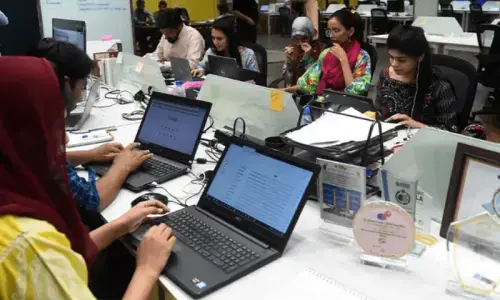
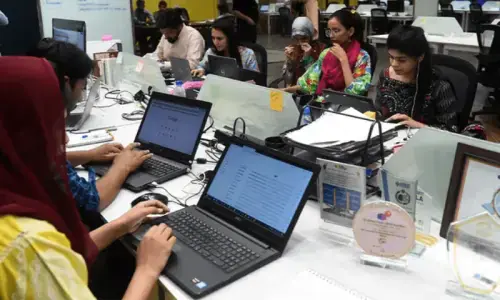
The course has been organized by the ISNET, in collaboration with SUPARCO, and is being attended by researchers, space scientists, and environmental experts from Azerbaijan, Bangladesh, Indonesia, Iran, Kyrgyz Republic, Malaysia, Sudan and Syria.
SUPARCO chairman maintained that the expertise and resources of various Muslim countries in the fields of environmental and space sciences were underutilized.
The world had become sensitive to environmental changes and the SUPARCO scientists were making valuable contributions in the areas of environment studies and impact assessment, which were being recognized world wide, he said.
He further said the ISNET was endeavouring to bridge the technological disparity among the Islamic states through exchange of information in the areas of common interest.
Emphasizing the need for holding such courses in future also, he expressed the hope that the training course would enhance the capacity building in Islamic countries in space technology.
It would particularly focus on importance of understanding air pollution, aerosol characterization and source identification, impact assessment and Ozone depletion, he added.
On the occasion, he urged participants from ISNET countries to come up with recommendations and suggestions to enhance collaboration in the field of space sciences and environmental studies.
Earlier, ISNET executive director and SUPARCO Secretary Muhammad Nasim Shah said the course had been organized with a view to share the benefits of the research and development work undertaken by SUPARCO experts in the field of environment, and also to promote the environmental and pollution monitoring studies in the OIC member countries.
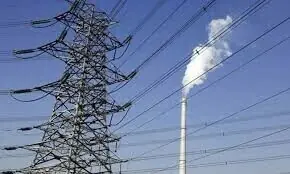
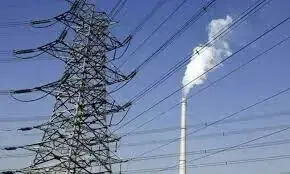
This course would also provide vital information and methodology to control the sources of atmospheric pollution, which was taking alarming dimensions in developing countries, particularly in the OIC member countries, he said, adding that it would hopefully result in providing a safe and clean atmosphere for the people. Head of Space Science and Atmospheric Research Division of SUPARCO also spoke on the occasion.-PPI